
The Ultimate Guide To Ergonomic Workspace Setup When you're working on a computer for extended periods, a poorly set up workspace can lead to discomfort, fatigue, and even long-term damage to your body. An ergonomic workspace setup, on the other hand, can boost your productivity, reduce eye strain, and prevent musculoskeletal disorders. In this guide, we'll show you how to create an ideal workspace that promotes comfort and well-being. Boost Productivity With An Ergonomic Workspace Design
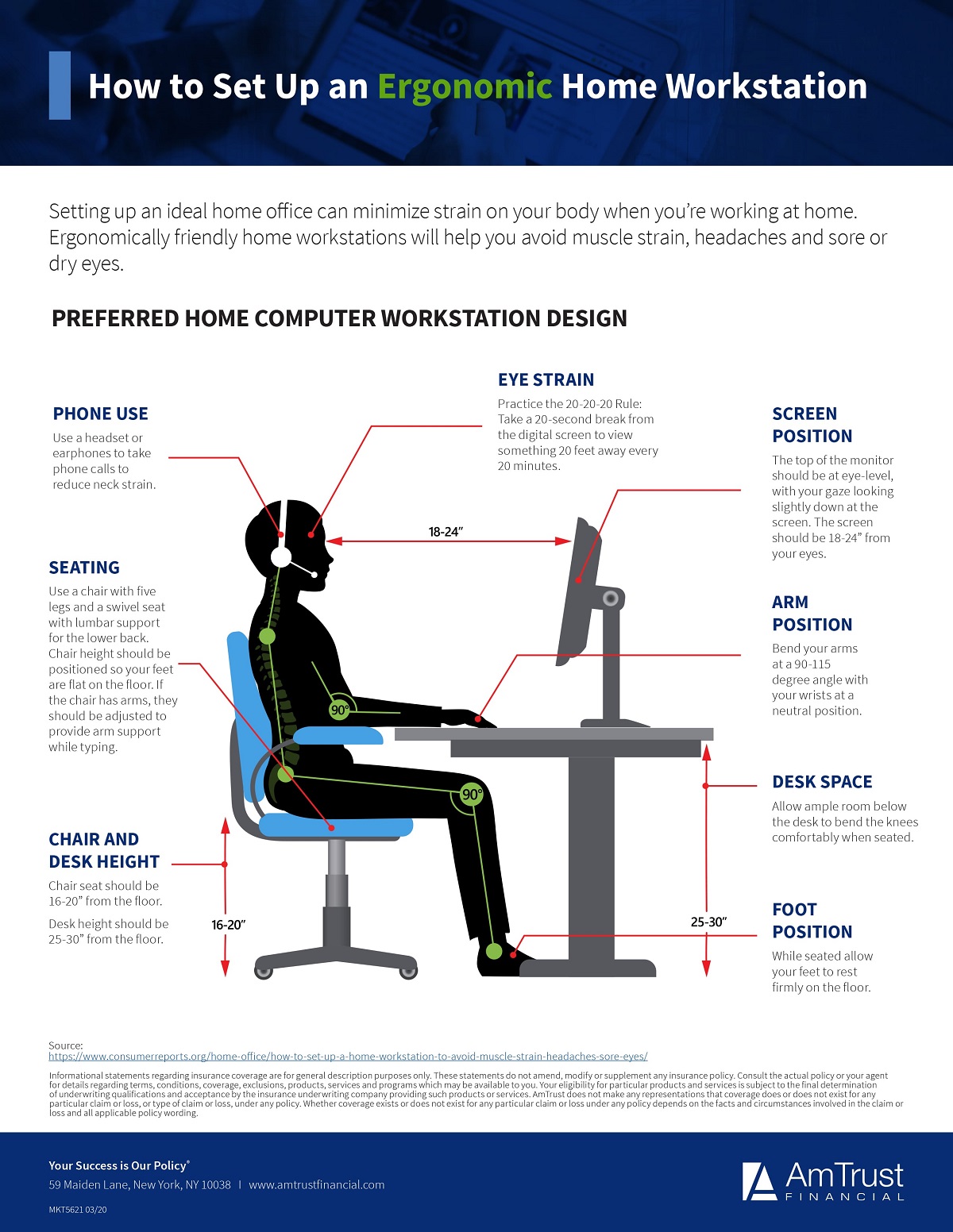
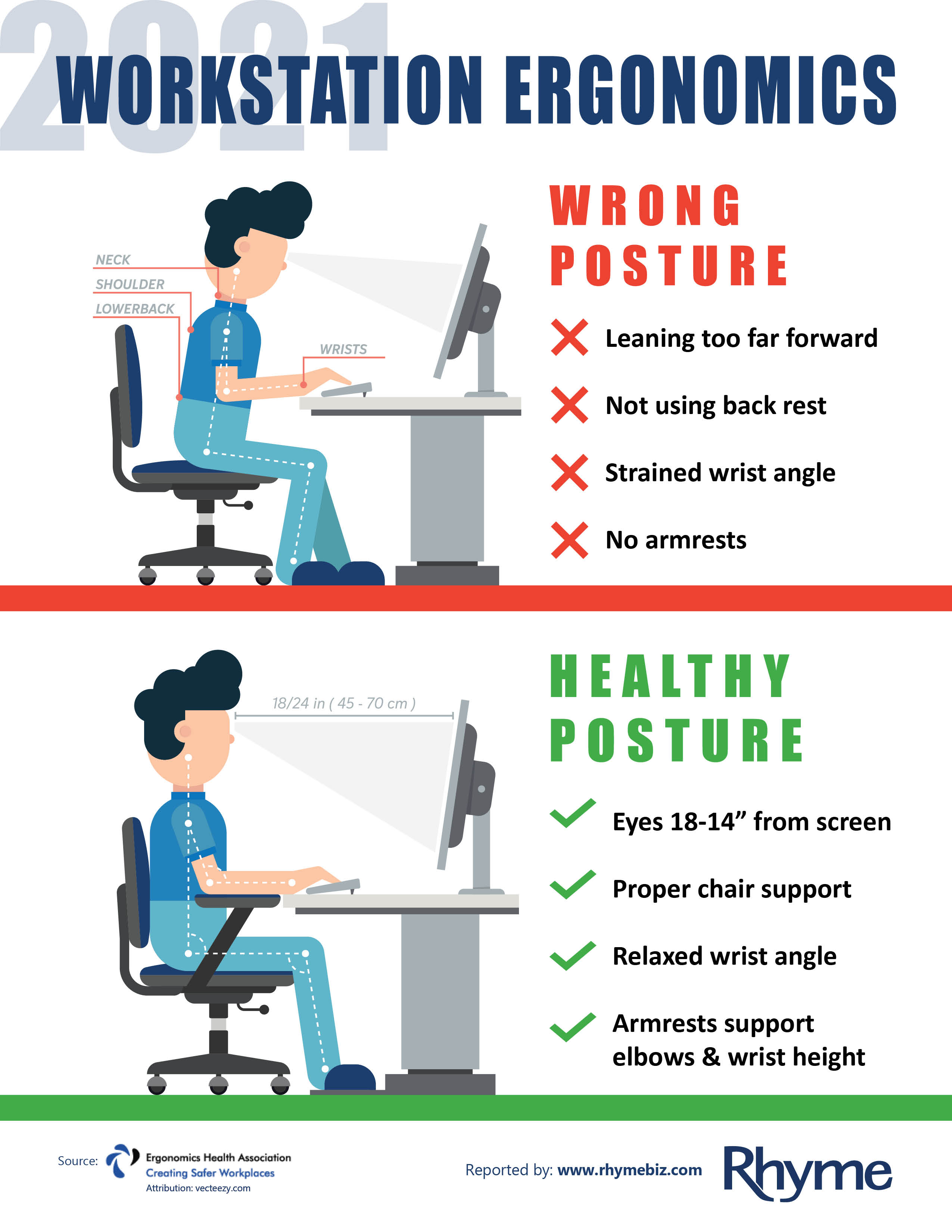
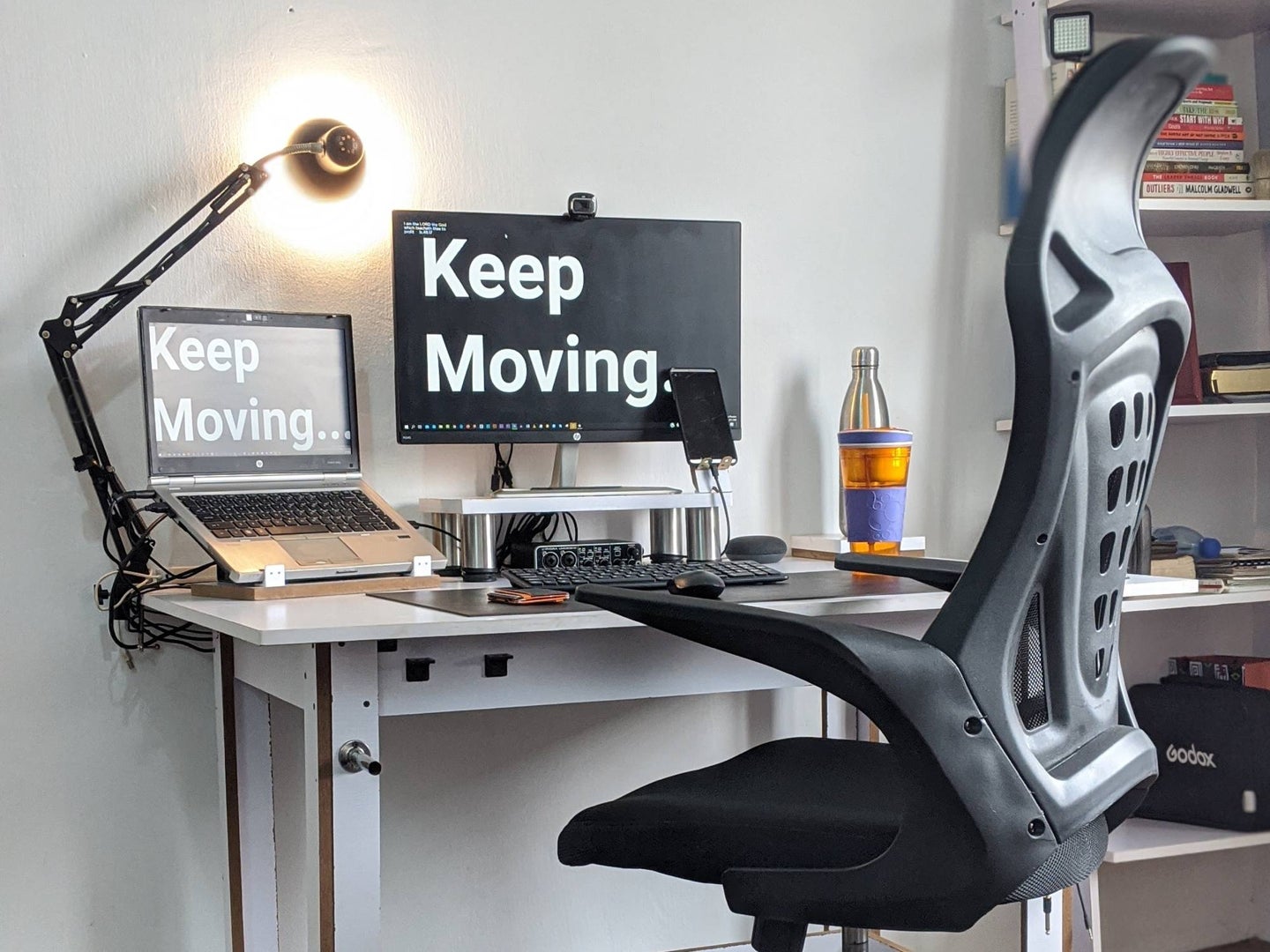
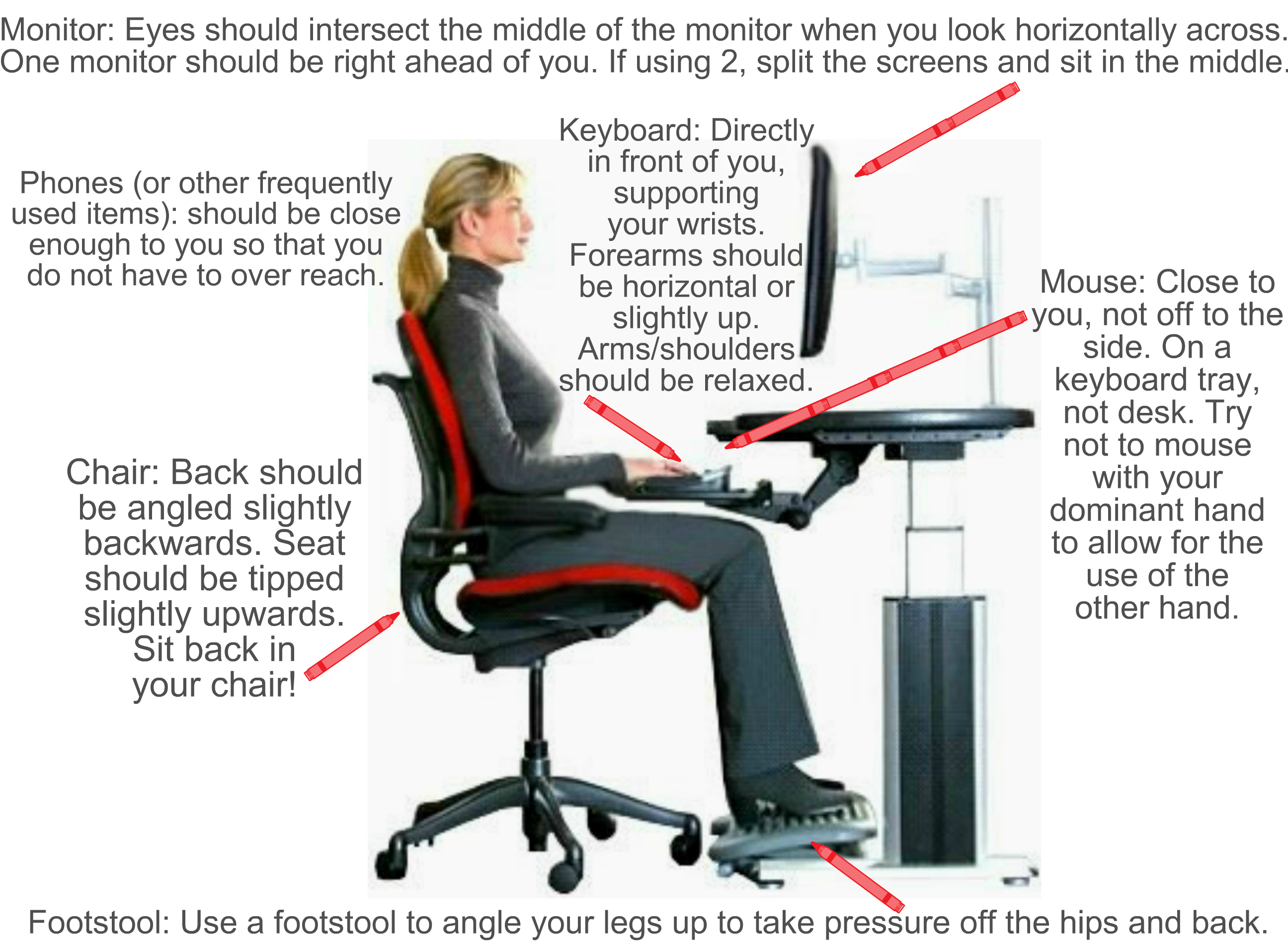
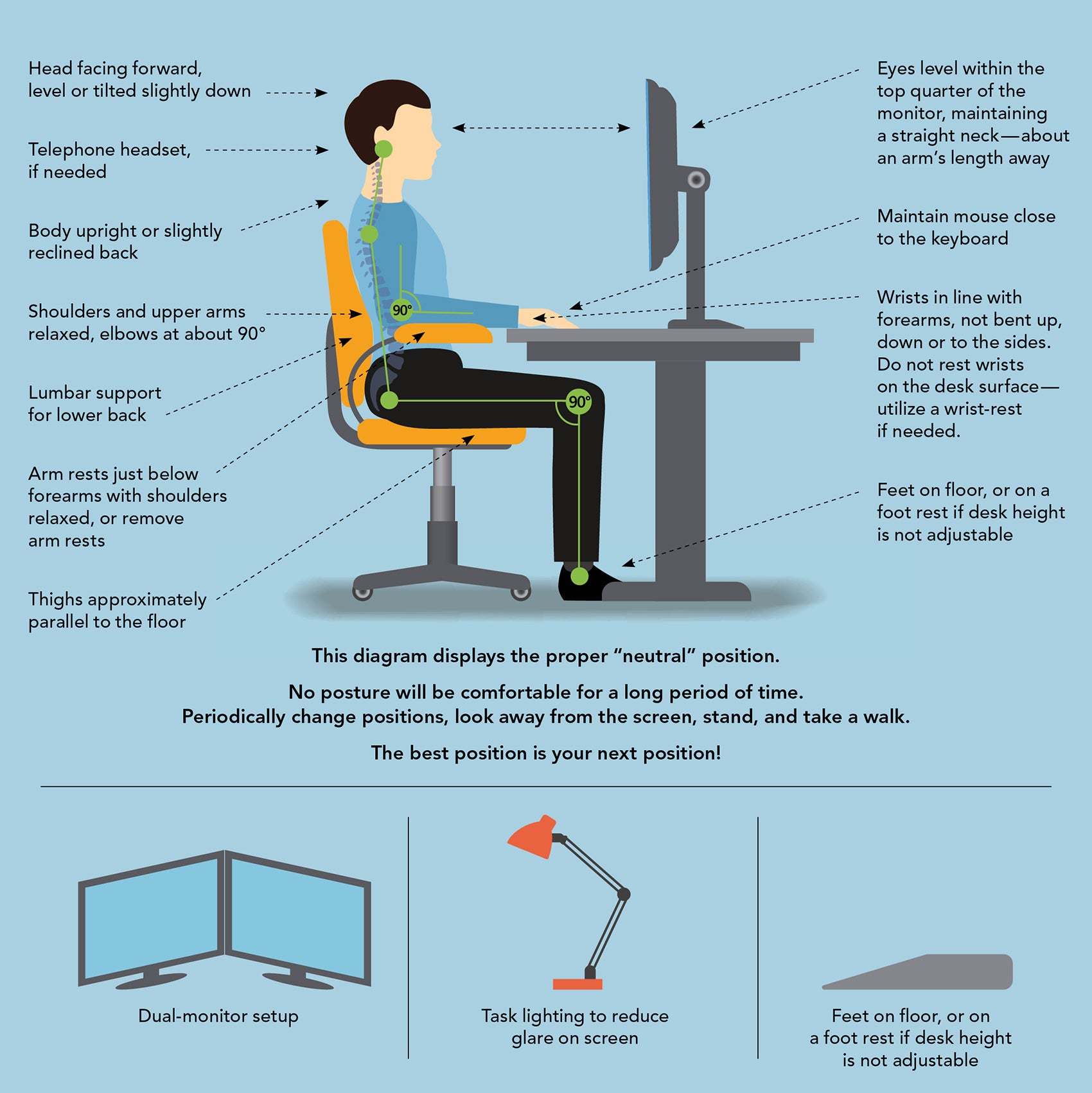
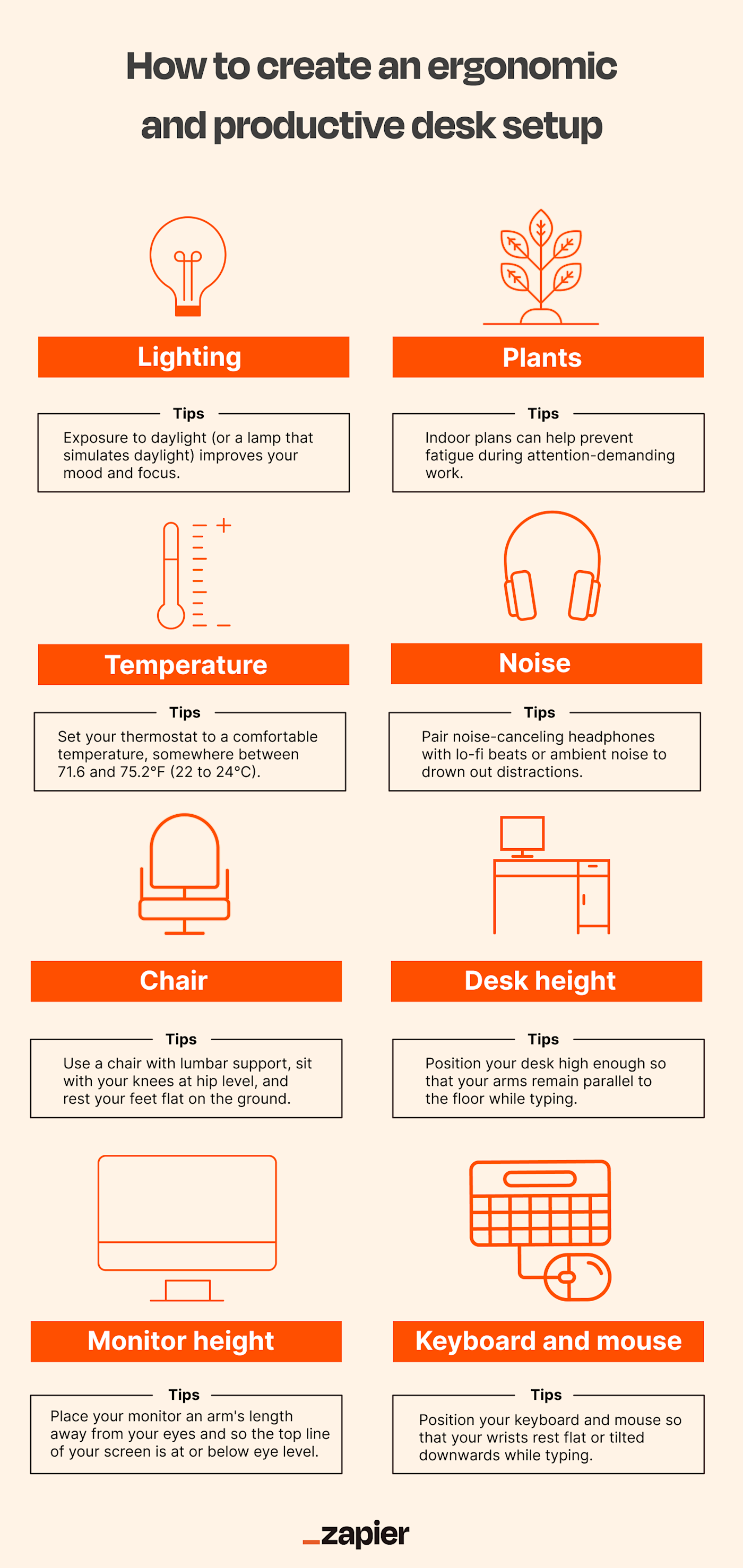
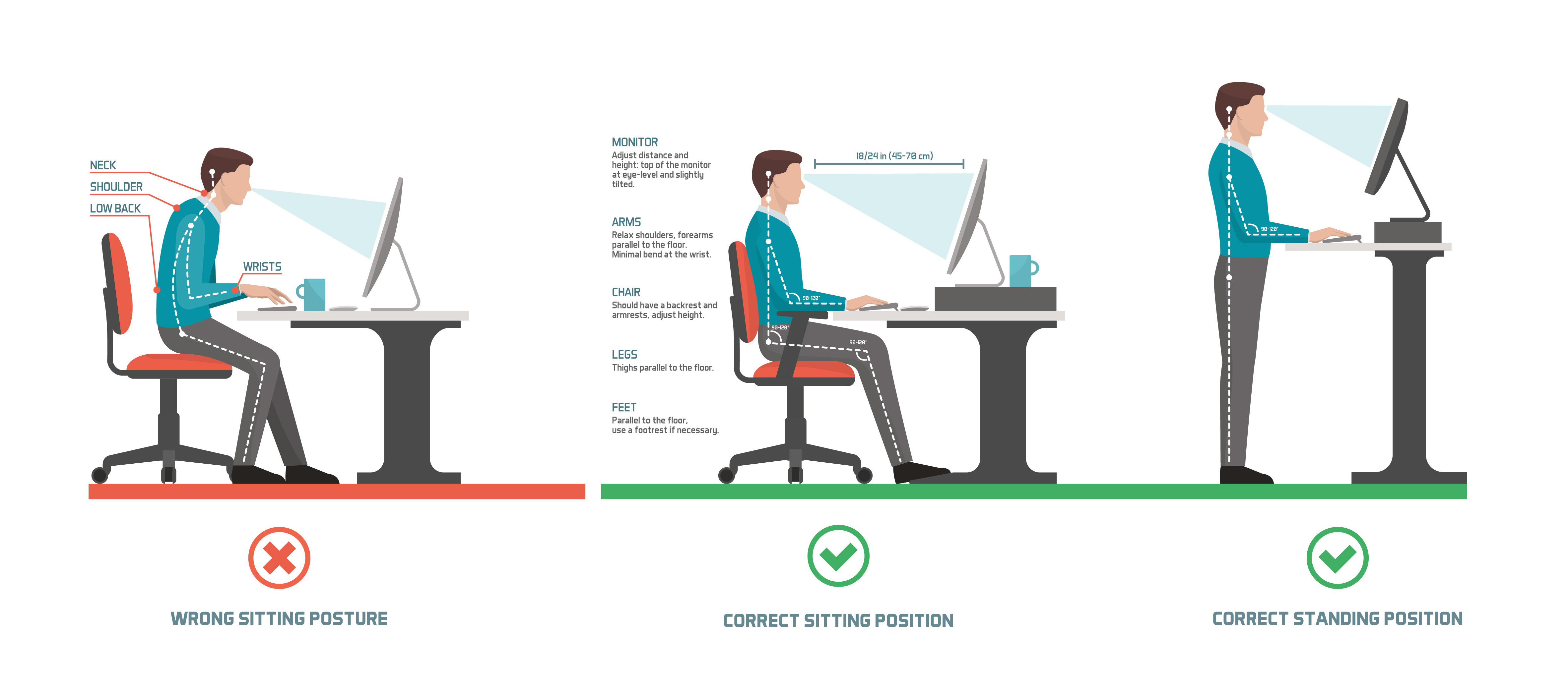
A well-designed ergonomic workspace starts with the chair. Your chair should have a breathable fabric, adjustable height and lumbar support, and a sturdy base that prevents wobbling. Place your feet flat on the floor or on a footrest, keeping your knees at or below hip level. Position your monitor directly in front of you, about 20-25 inches away, and at a height that allows you to gaze slightly downward.
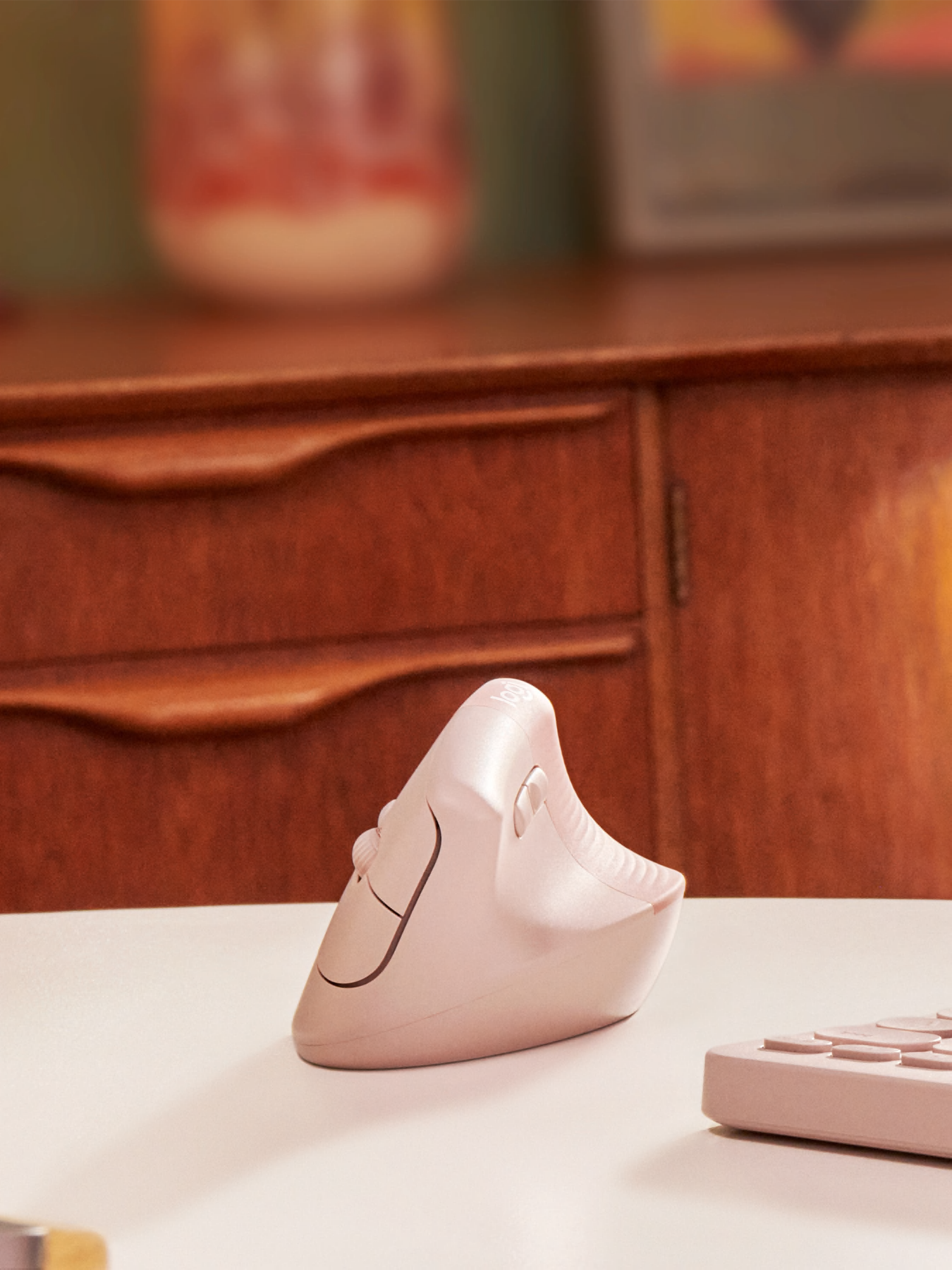
This reduces glare and prevents neck strain. Maximizing Comfort With Ergonomic Desk Layouts The keyboard and mouse should be positioned close to your body, allowing your wrists to remain straight and your arms to relax. Consider investing in a keyboard tray to maintain a comfortable typing position. A document holder can also help keep your papers at eye level, eliminating the need for frequent looking up and down.
By implementing these simple yet effective ergonomic adjustments, you can create a workspace that supports your physical and mental well-being. Remember, a well-designed workspace is not just about aesthetics – it's about creating a healthy and productive environment that lets you work efficiently and comfortably. Ergonomic Desk Setup: The Secret To Reduced Eye Strain








![5 Steps to Setting Up an Ergonomic Workstation [Infographic]](https://www.worksiteinternational.com/hubfs/images/blog/5-steps-to-setting-up-an-ergonomic-workstation-infographic-1260px.png)