Say Goodbye To Fatigue With These Desk Setup Ergonomics Rules Working long hours at a desk can be a recipe for disaster, especially when it comes to our physical and mental well-being. Prolonged sitting, poor posture, and inadequate workspace setup can lead to fatigue, eye strain, and a host of other issues that can impact our productivity and quality of life. However, by implementing a few simple desk setup ergonomics rules, you can significantly reduce your risk of fatigue and create a healthier, more comfortable work environment. 7 Ways To Optimize Your Desk For Better Posture And Focus
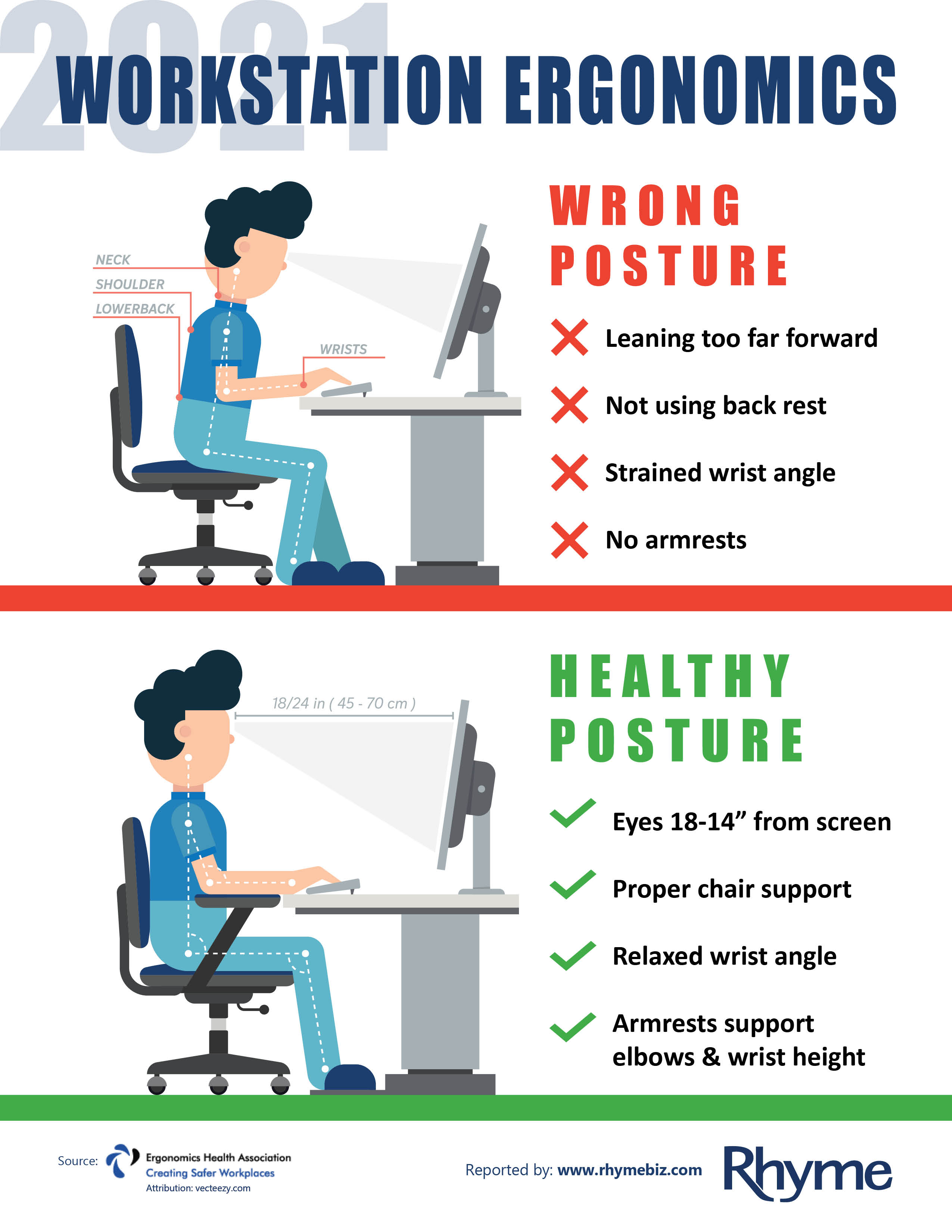
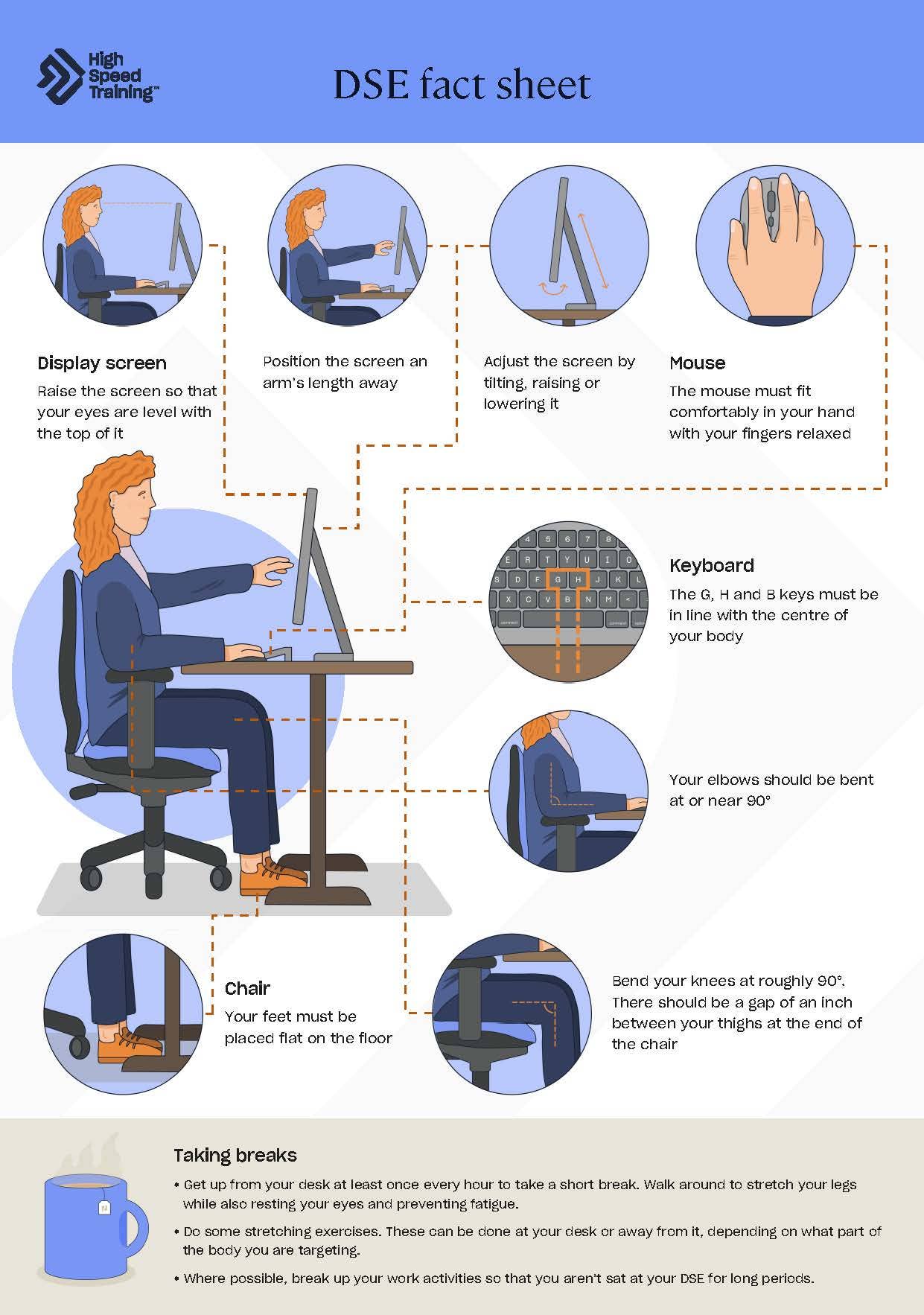
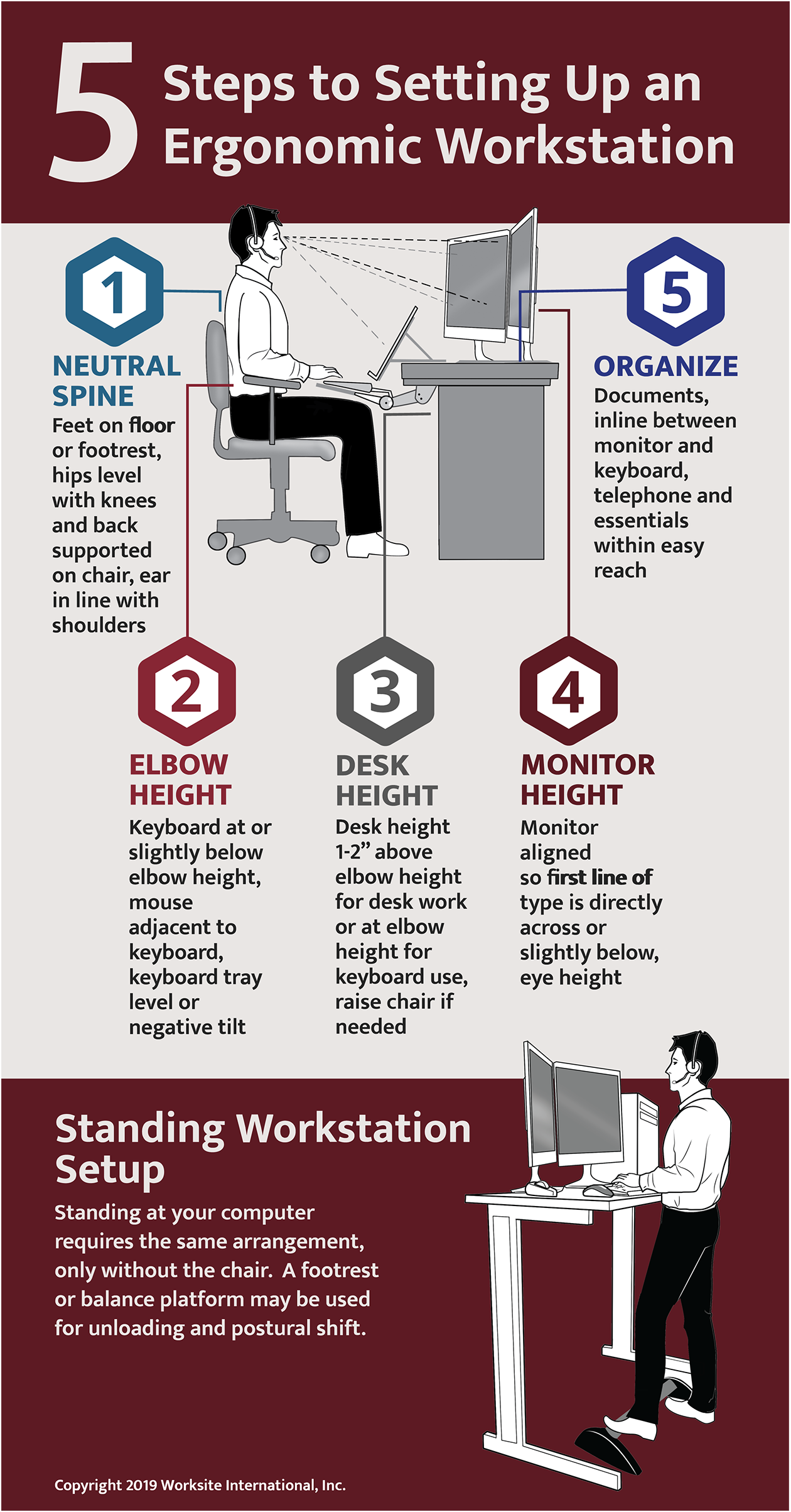
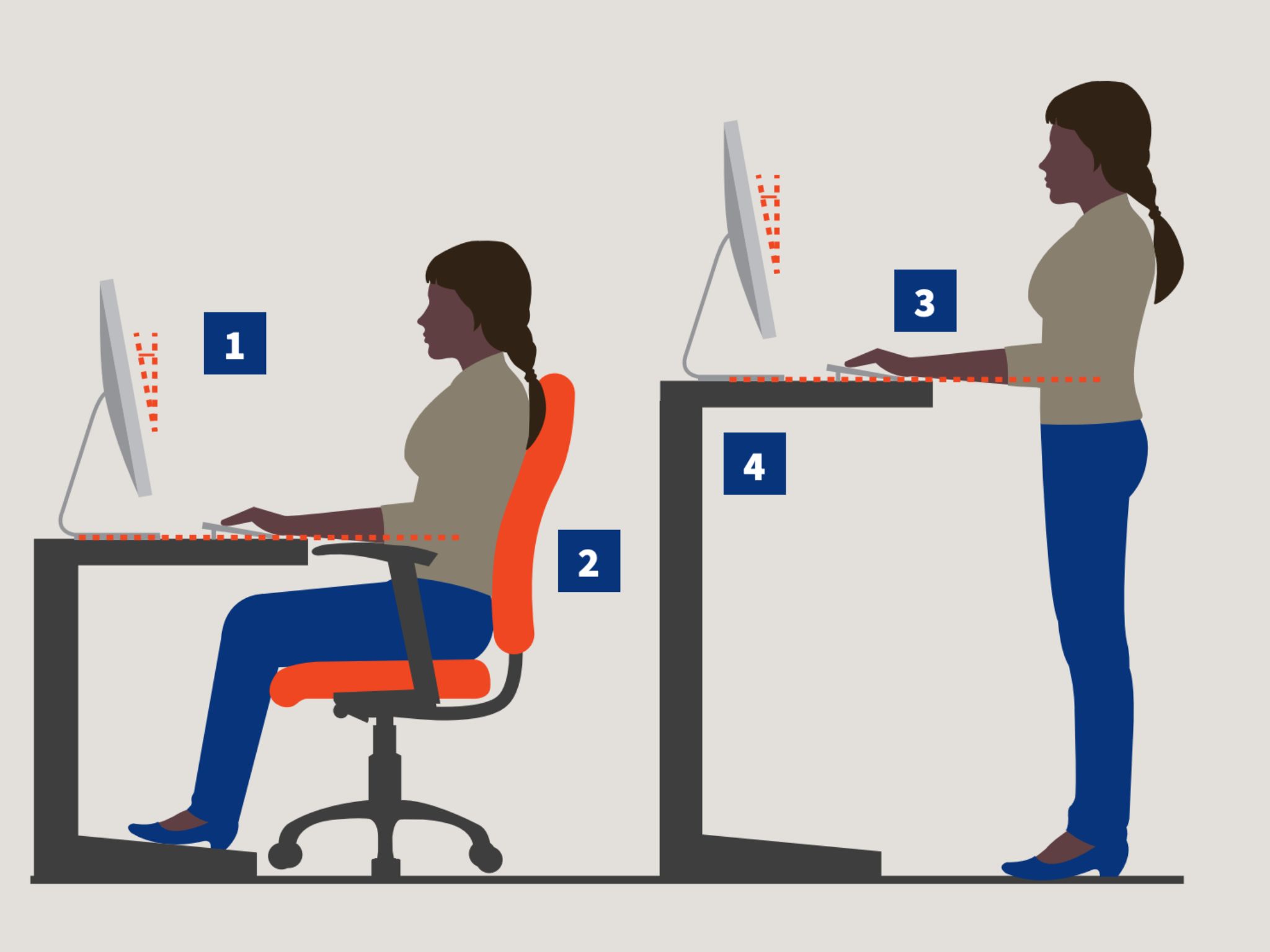
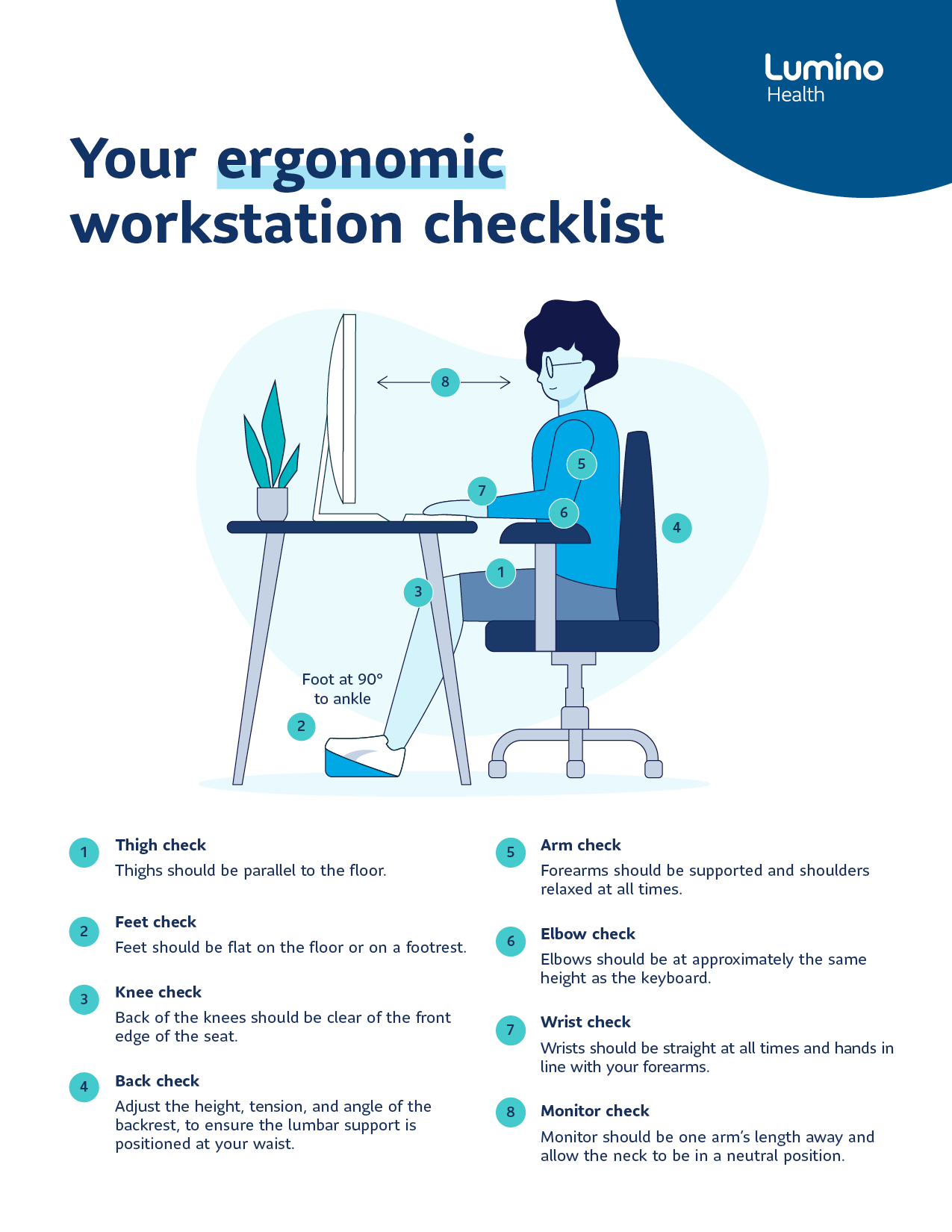
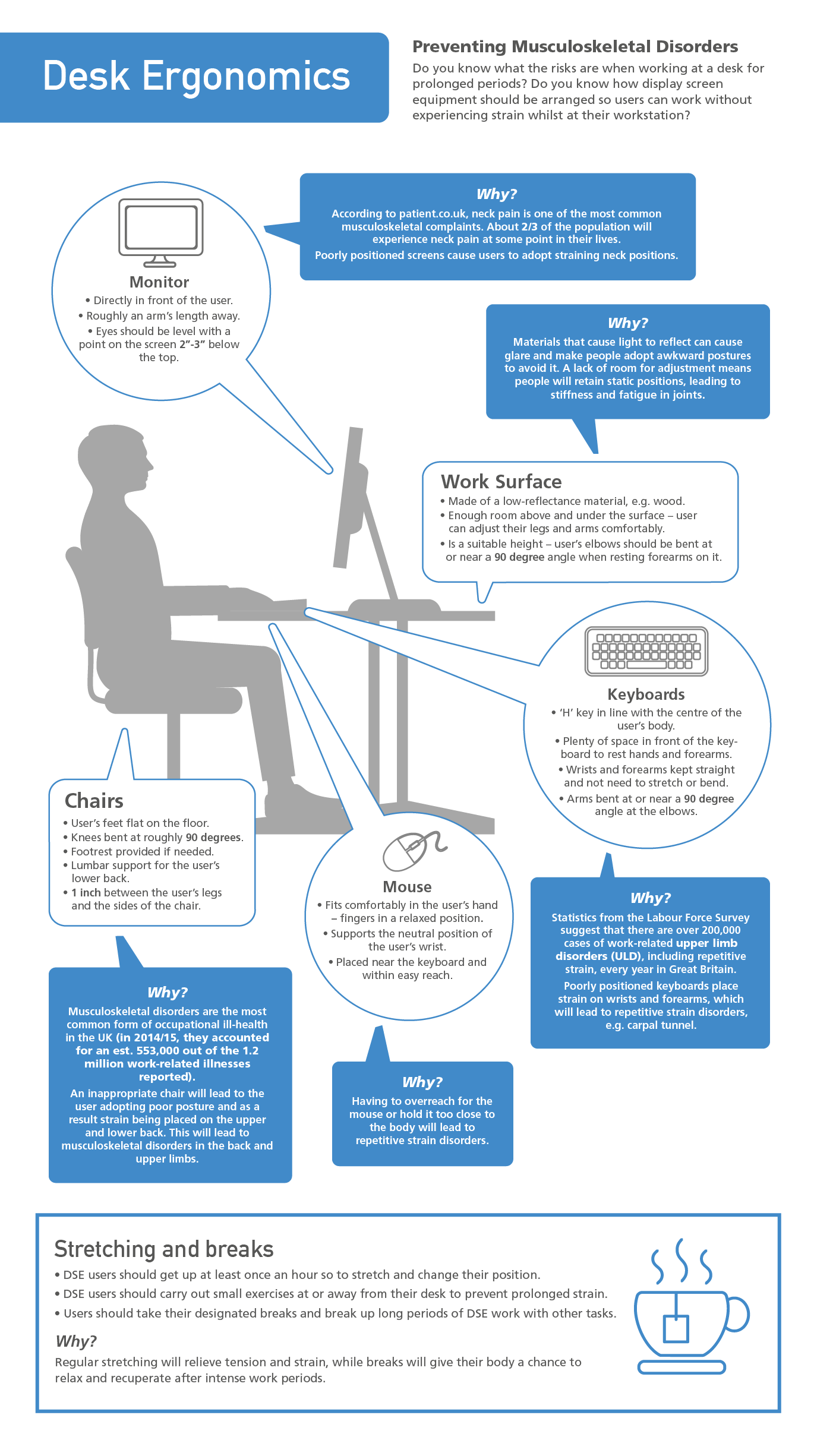
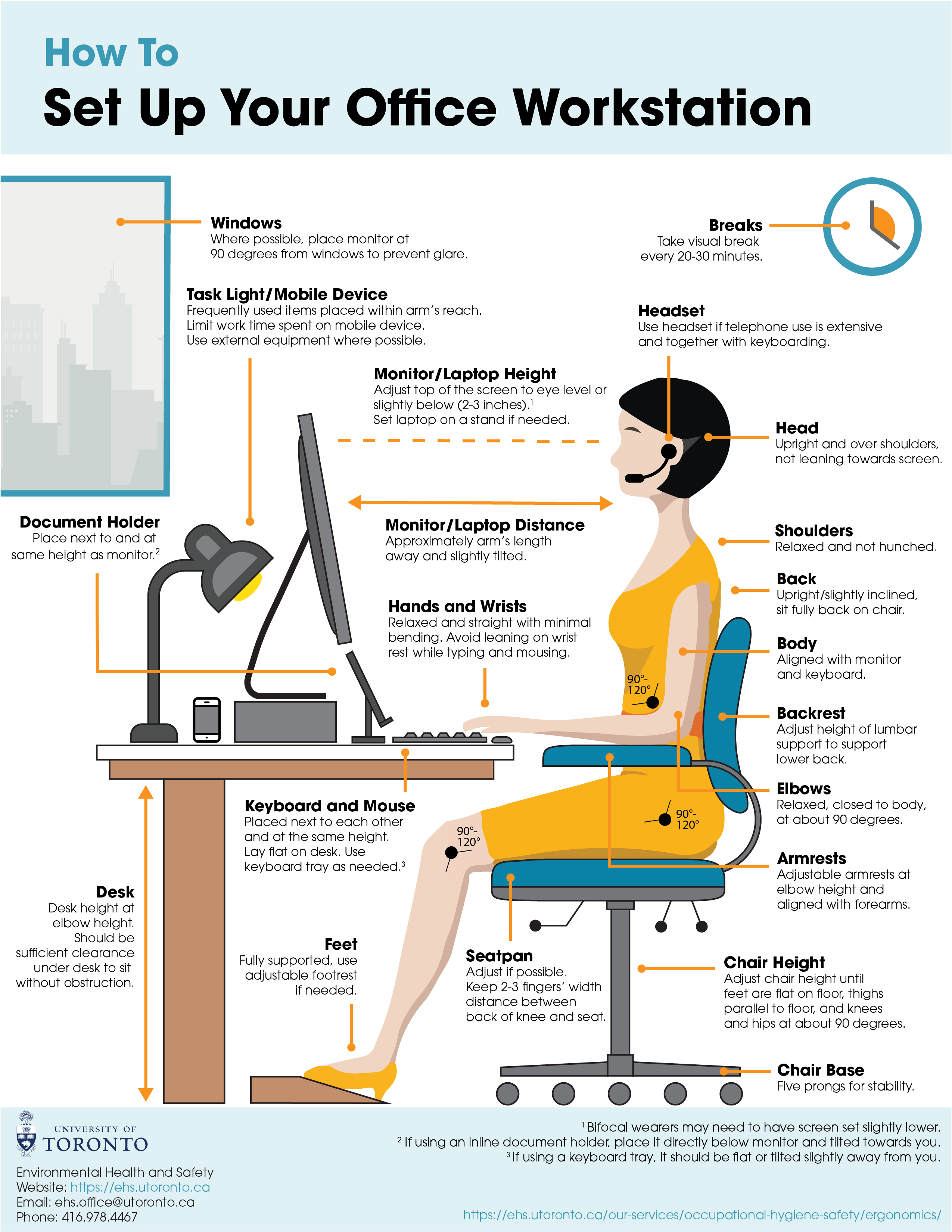
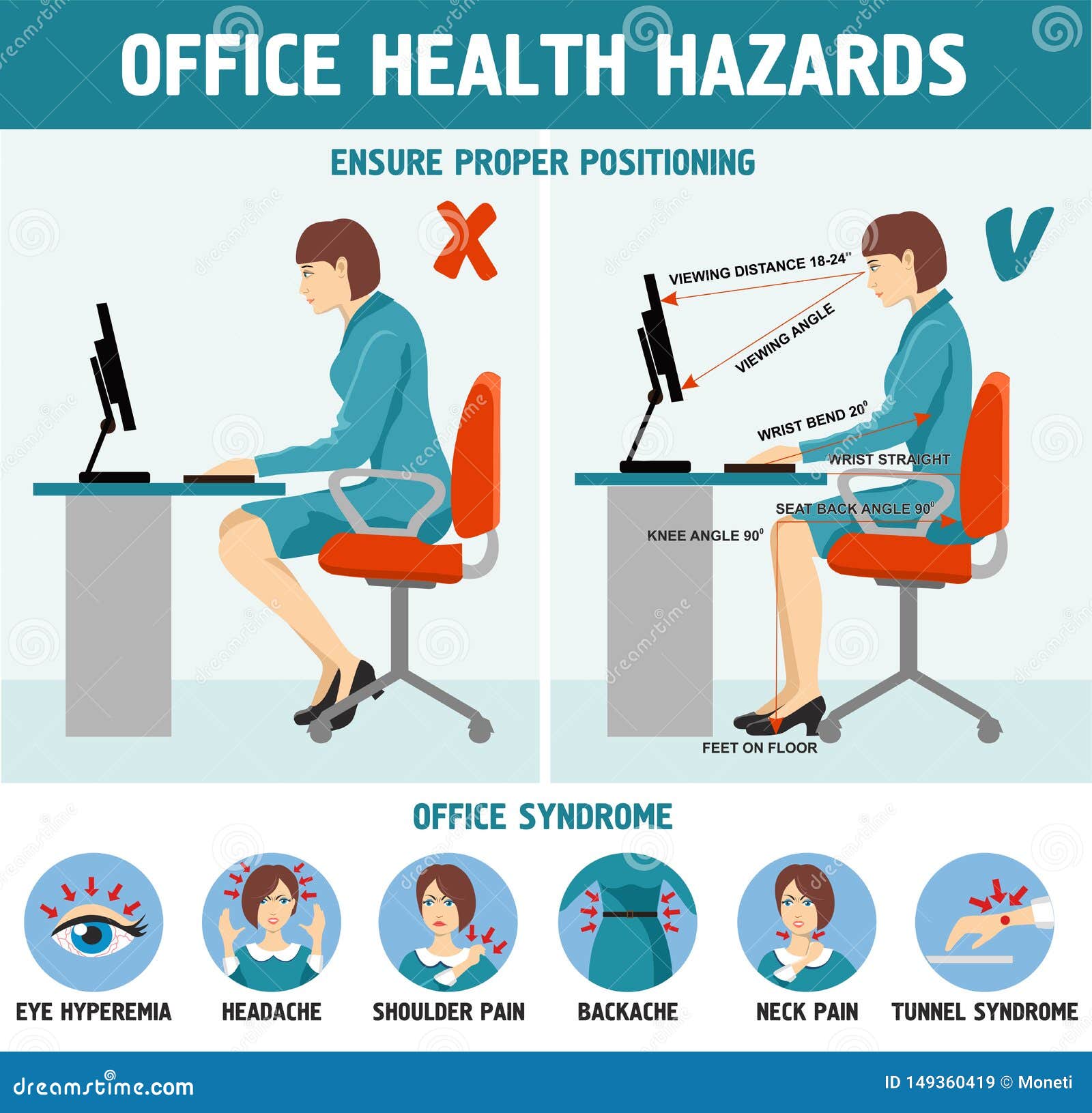
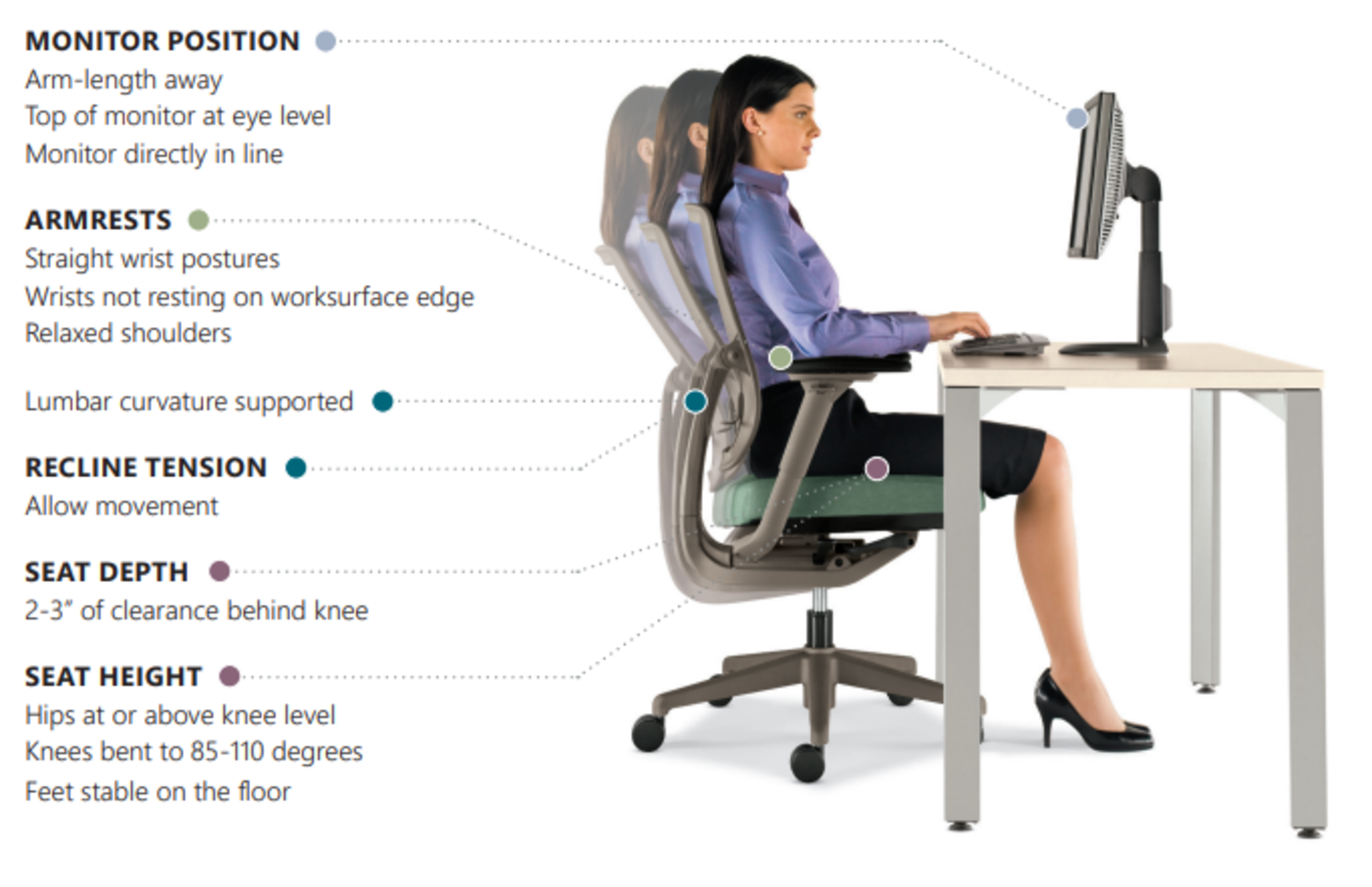
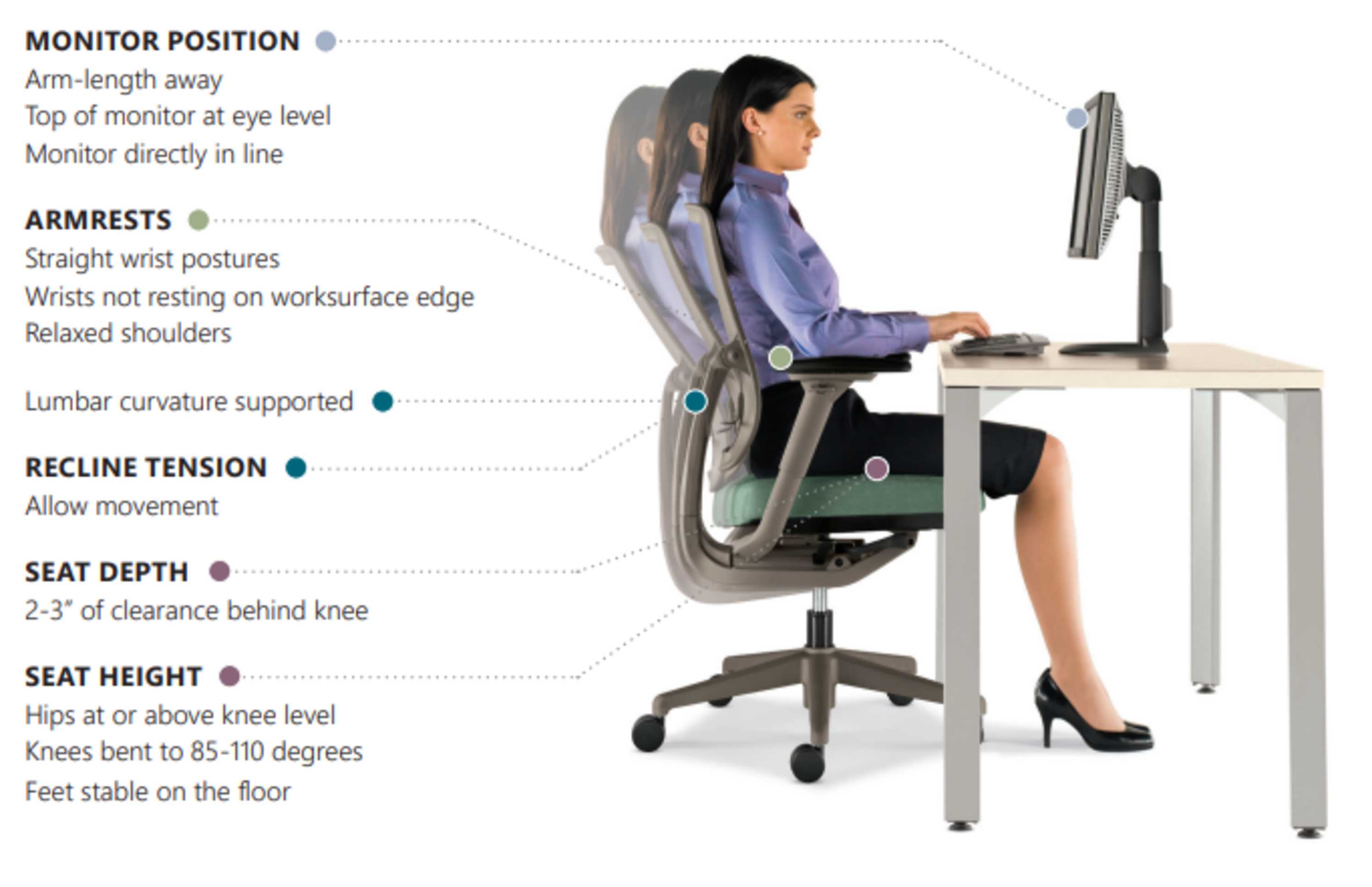
Proper chair height is one of the most crucial ergonomic considerations when it comes to avoiding fatigue. Your feet should be flat on the floor or on a footrest, with your knees at or below hip level. This ensures that your body is in a neutral position, with minimal strain on your back and legs. Similarly, your monitor should be positioned directly in front of you, at a distance of about 20-25 inches, and at a height that allows you to gaze slightly downward.
Another key aspect of desk ergonomics is wrist positioning. Ergonomic Desk Setup Mistakes To Avoid For Better Health When typing, your wrists should remain straight and in line with your forearms, avoiding bending or twisting that can put pressure on your hands and wrists. Consider investing in an ergonomic keyboard and mouse to reduce strain on your hands and wrists. By making these simple adjustments, you can significantly reduce your risk of fatigue and create a more comfortable, productive workspace.