From Back Pain To Bliss: The Science-Backed Guide To Desk Setup Back pain is a common occupational hazard that affects millions of people worldwide, with desk workers being a significant portion of this group. In fact, studies have shown that individuals who spend extended periods sitting at their desks are more likely to experience lower back pain, which can lead to discomfort, decreased productivity, and even long-term damage to their spinal health. Fortunately, by following a science-backed guide to desk setup, you can minimize your risk of back pain and create a workspace that fosters comfort and productivity. Desk Setup Hacks For A Stronger, Healthier Back
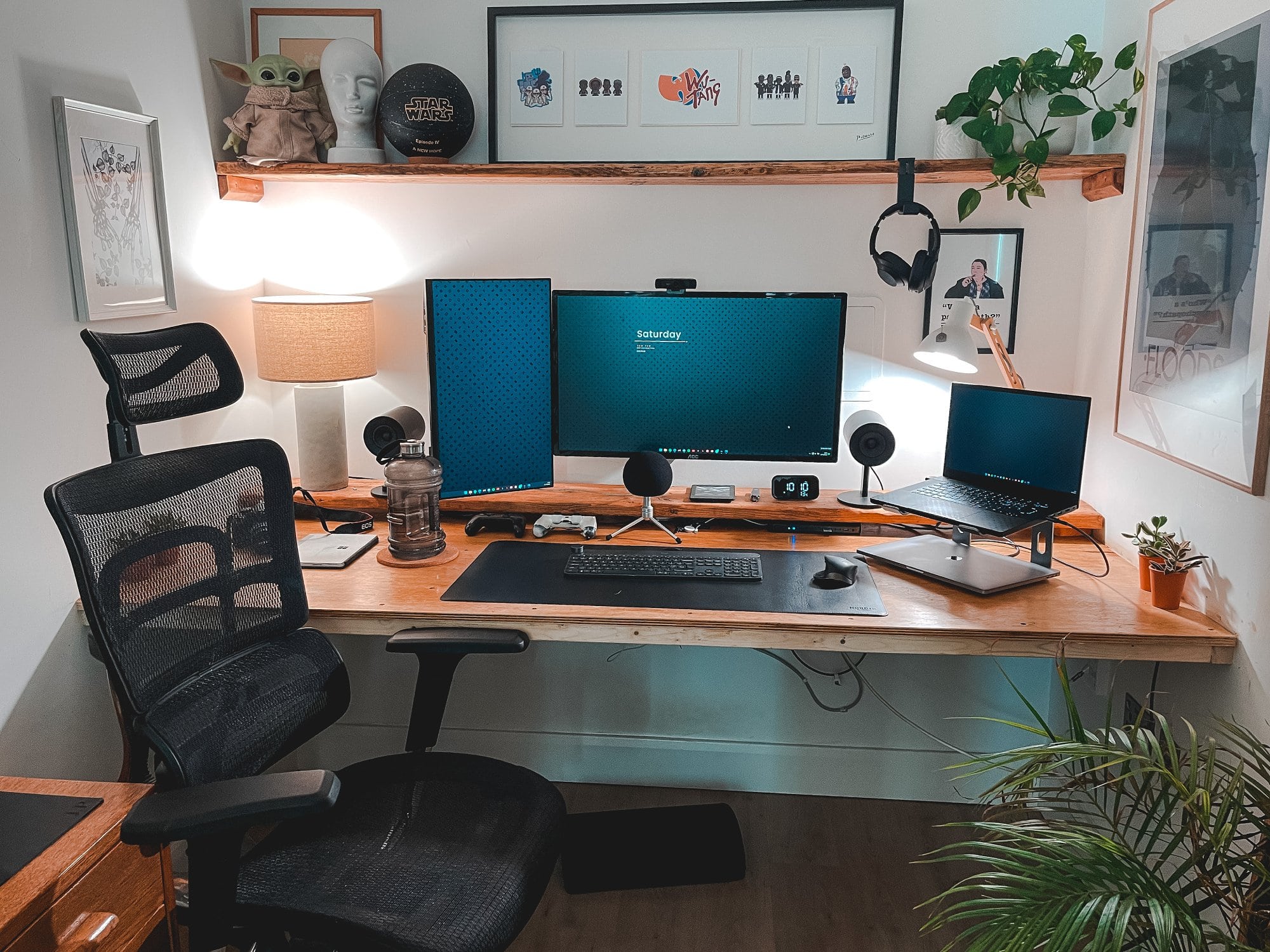
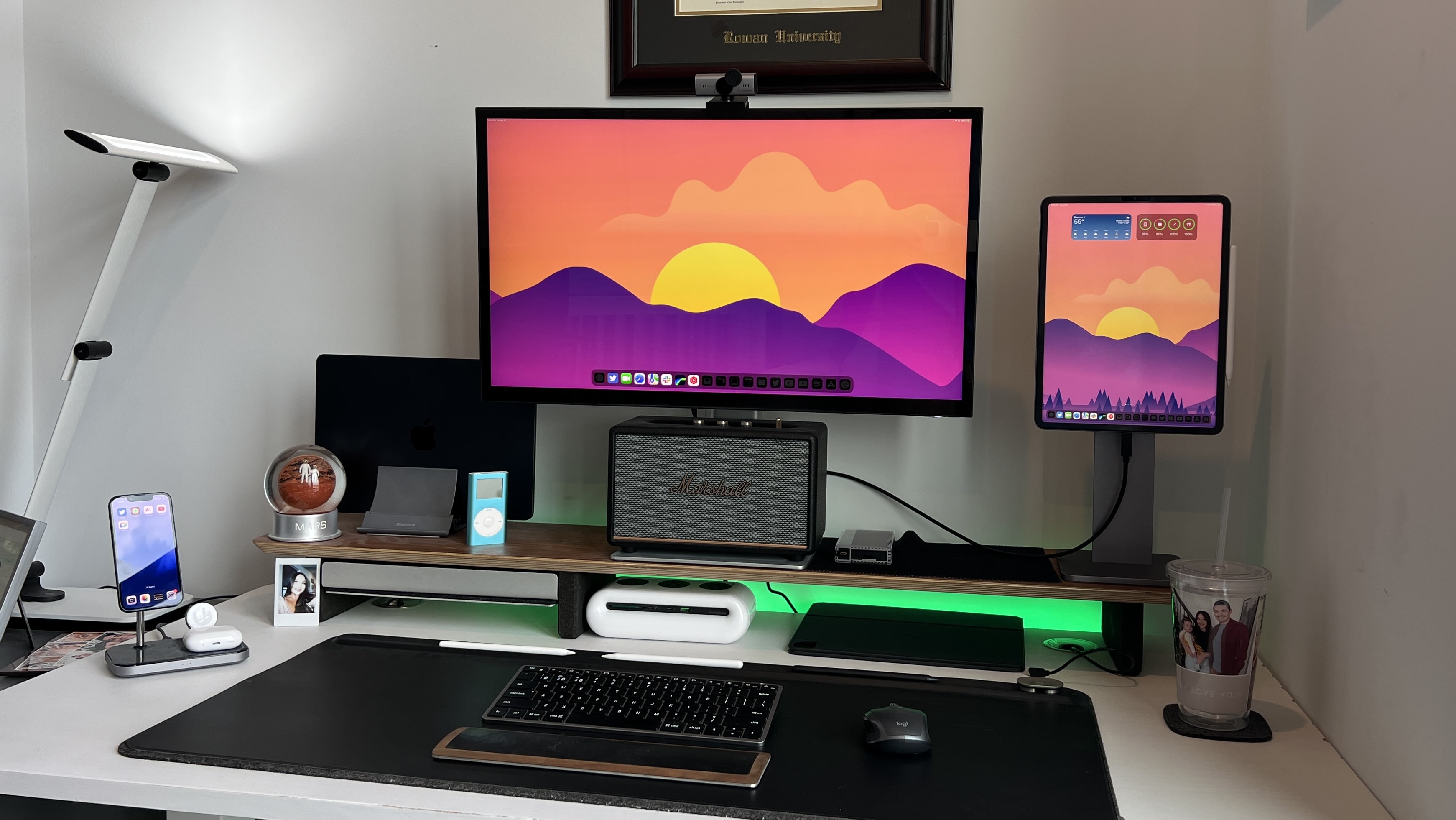
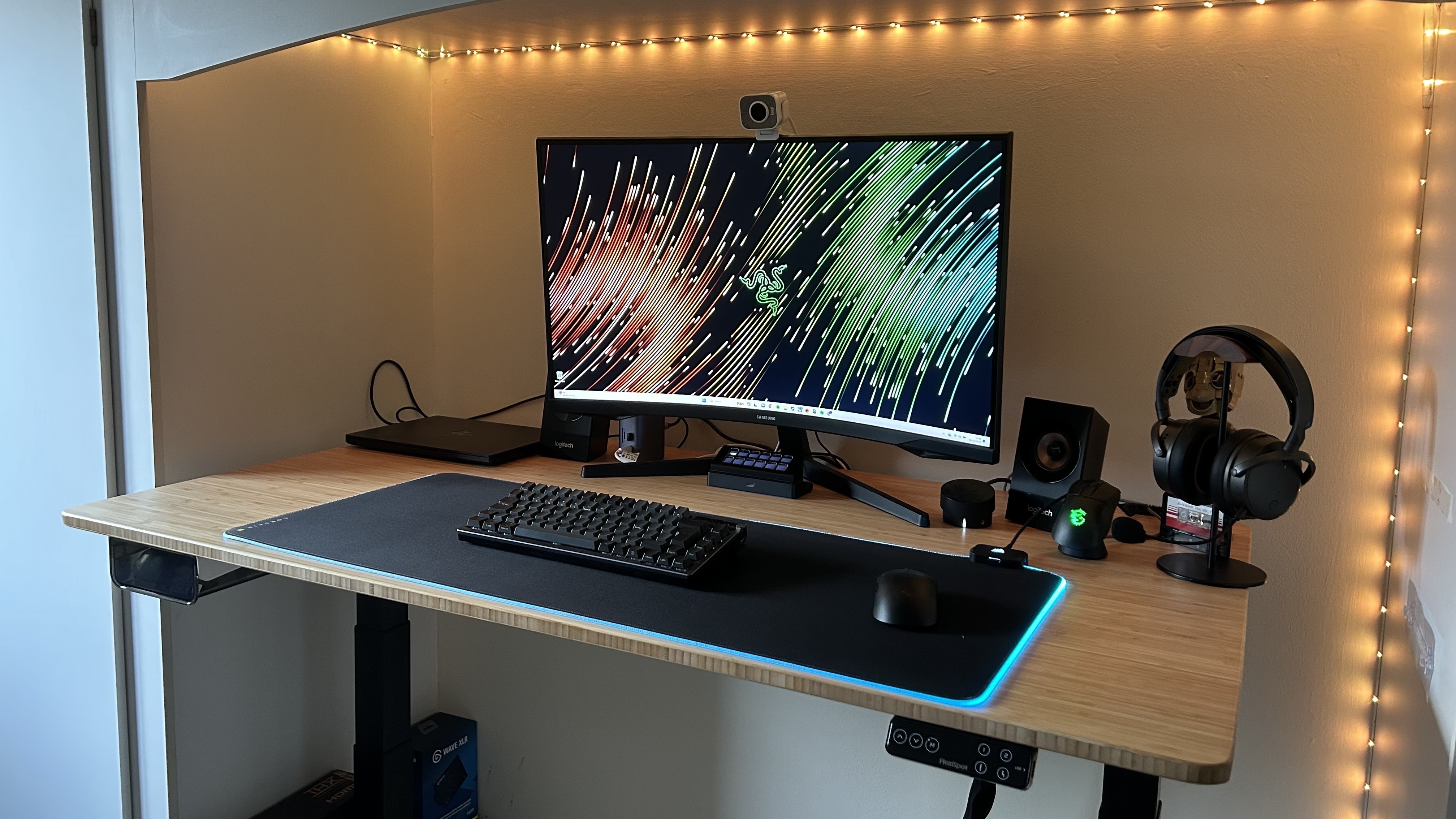
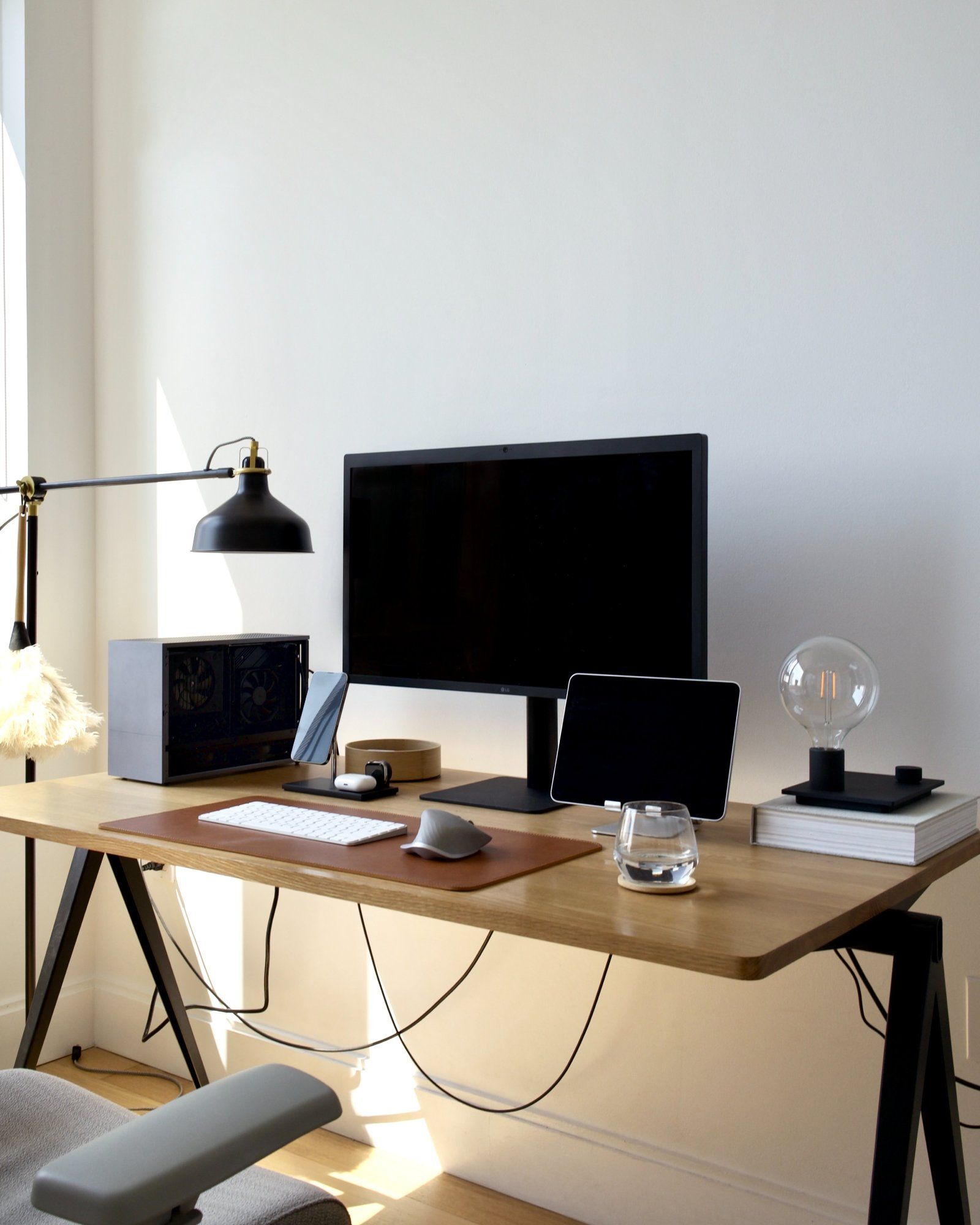
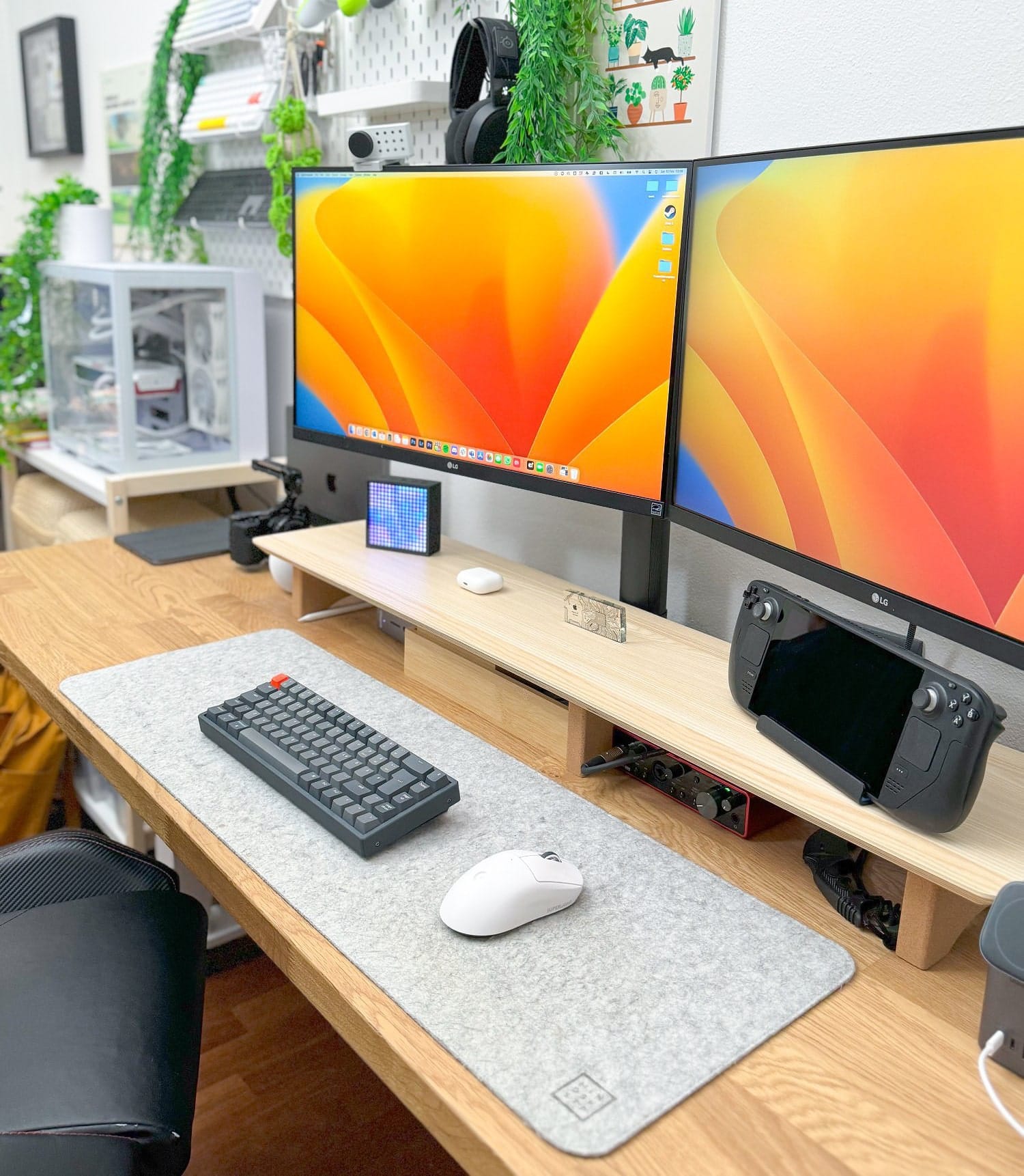
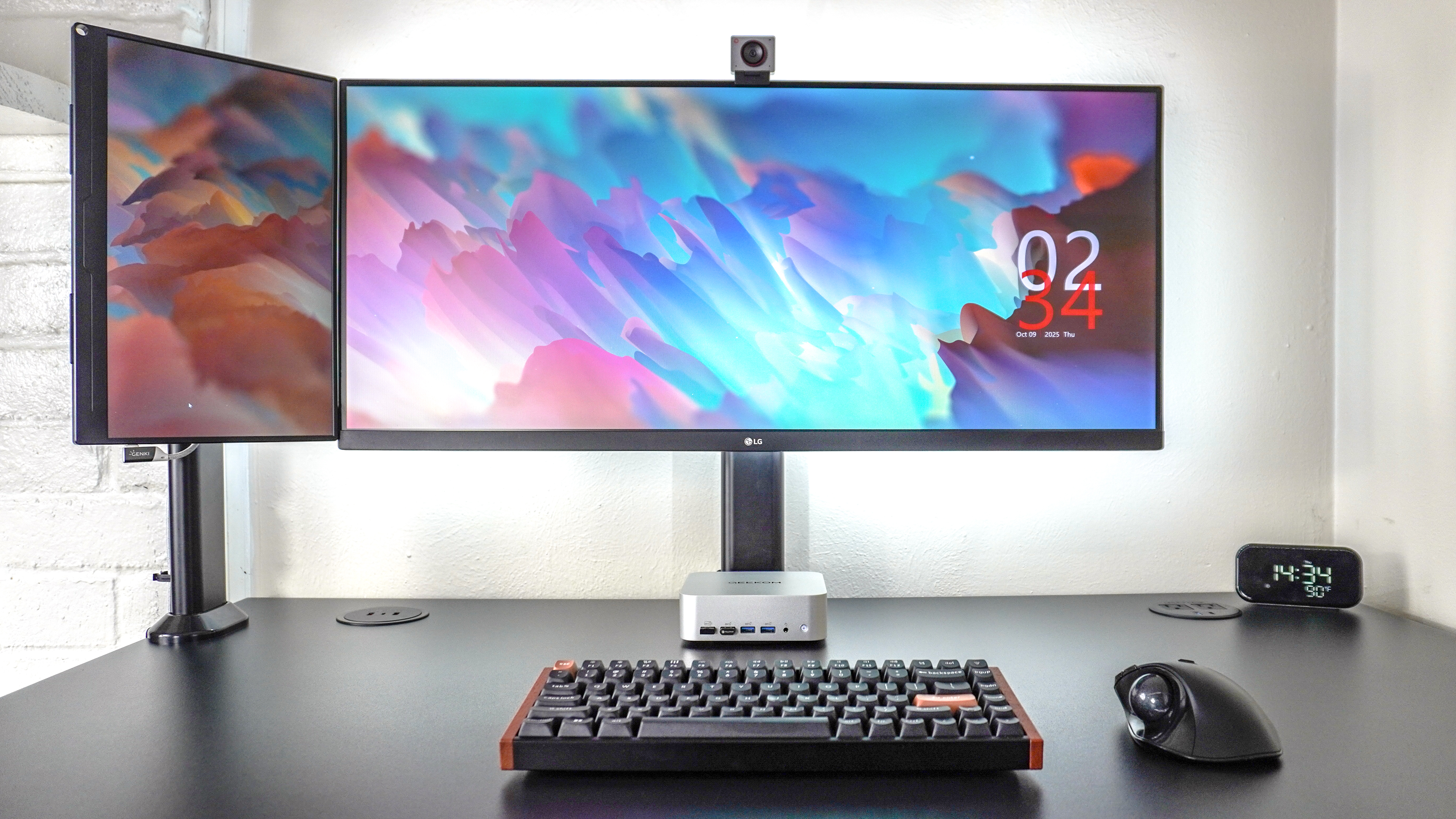
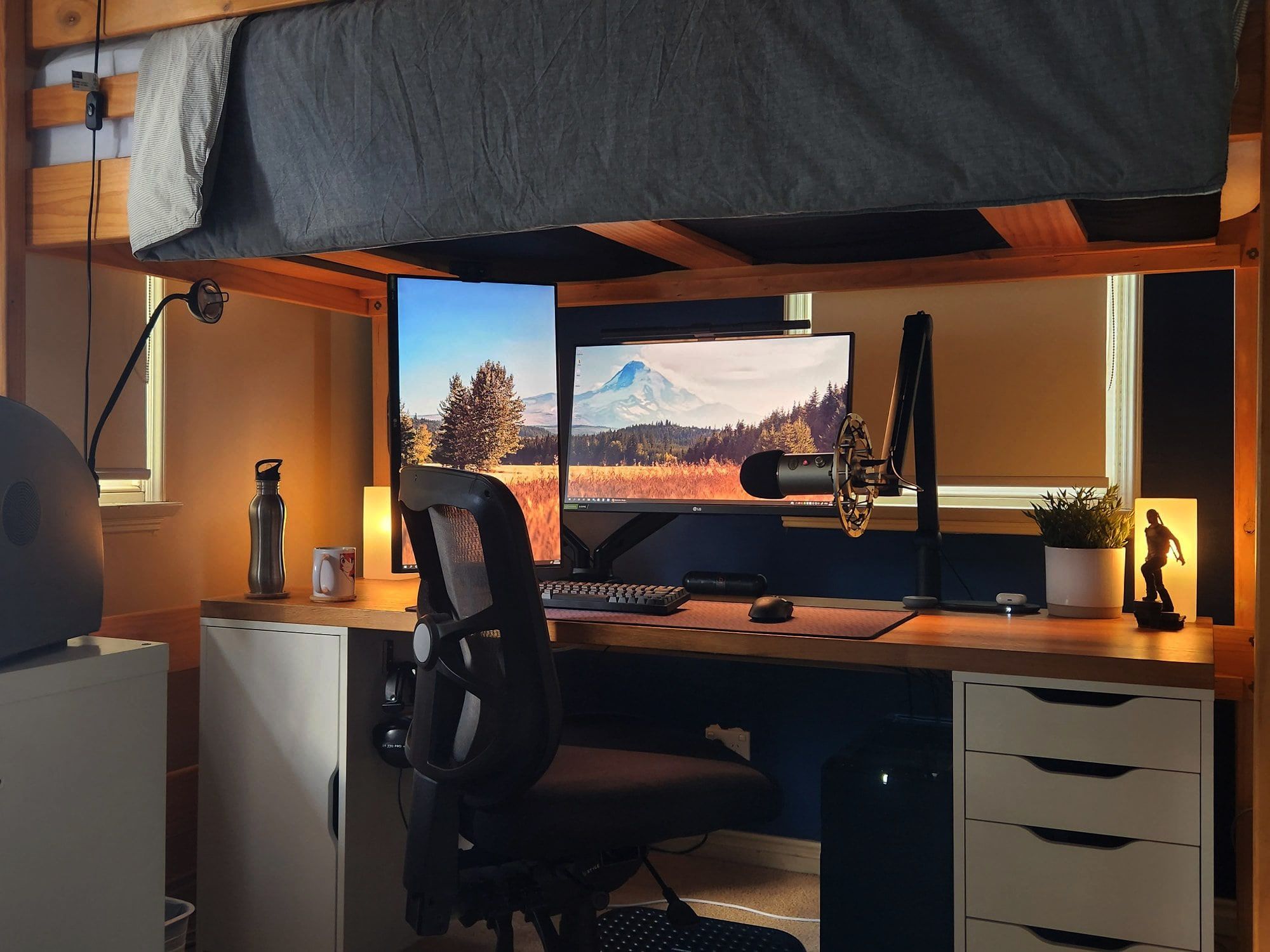
A well-designed desk setup should take into account the ergonomic principles of posture, chair height, and monitor placement. The monitor should be positioned directly in front of you, at a distance of about 20-25 inches, and at a height that allows you to gaze slightly downward. Your chair should be adjusted to support the natural curve of your lower back, with your feet flat on the floor or on a footrest. Additionally, consider incorporating a standing desk or adjustable height monitor to vary your position throughout the day and reduce muscle fatigue.
The science behind a healthy desk setup is rooted in the concept of biomechanics, which studies the relationship between movement and body structure. The Secret To A Pain-Free Back: Customizing Your Desk Setup By creating a workspace that aligns with your body's natural posture, you can reduce the risk of back pain and other musculoskeletal disorders. Furthermore, a well-designed desk setup can also improve your overall mental health and well-being, as a comfortable workspace can boost your mood and increase your sense of job satisfaction. By following these evidence-based guidelines, you can create a desk setup that supports your physical and mental health, reducing the risk of back pain and promoting a sense of bliss and well-being in your workspace.