Ergonomic Office Setup For Maximum Working Efficiency A cluttered and poorly designed workspace can lead to decreased productivity, increased stress, and even long-term health problems. The solution lies in an ergonomic office setup that prioritizes comfort, organization, and functionality. By creating a well-planned workspace, individuals can boost their working efficiency, reduce the risk of injury, and enjoy a more pleasant working experience. How To Set Up An Ergonomic Desk For Better Posture
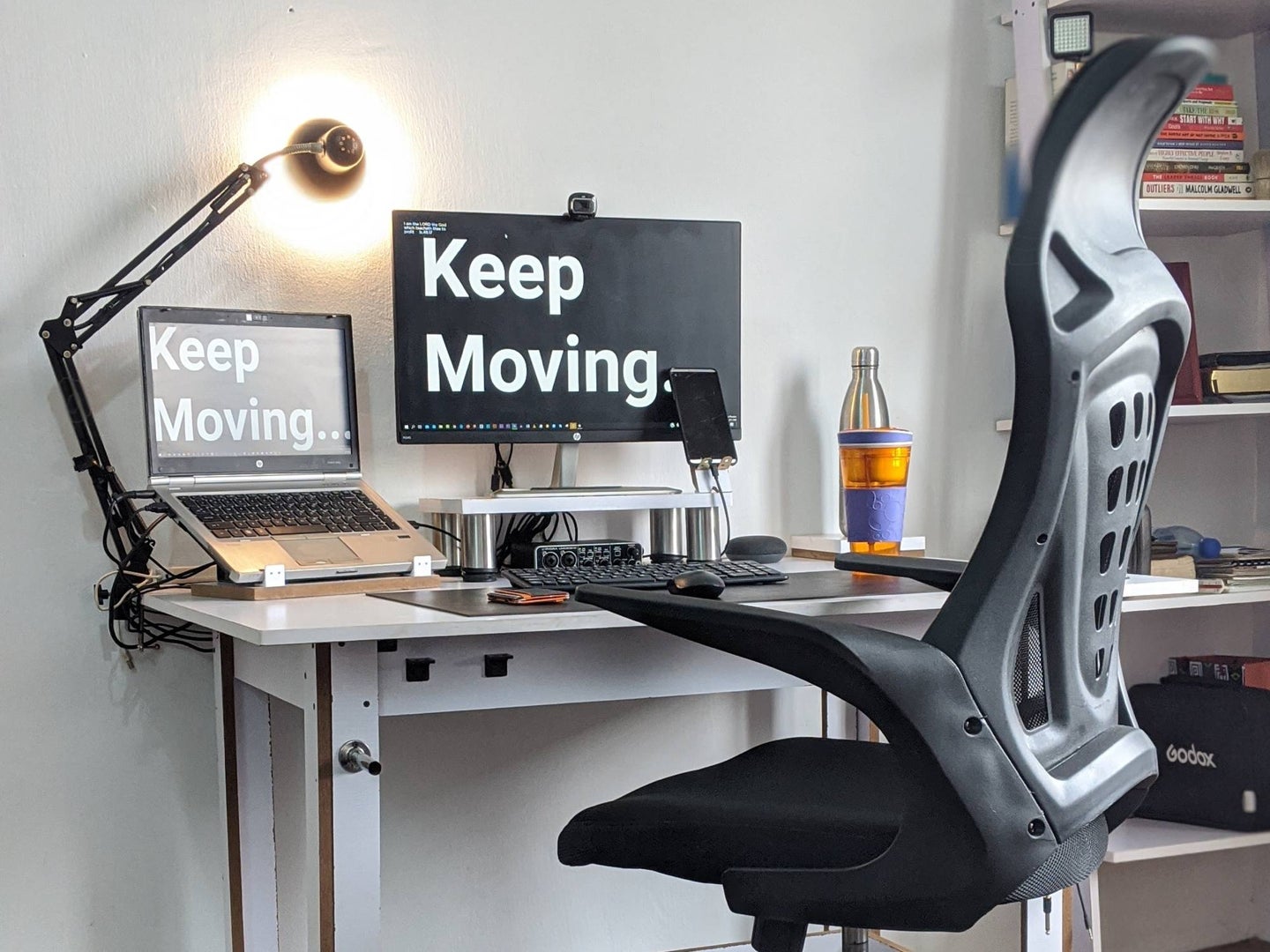
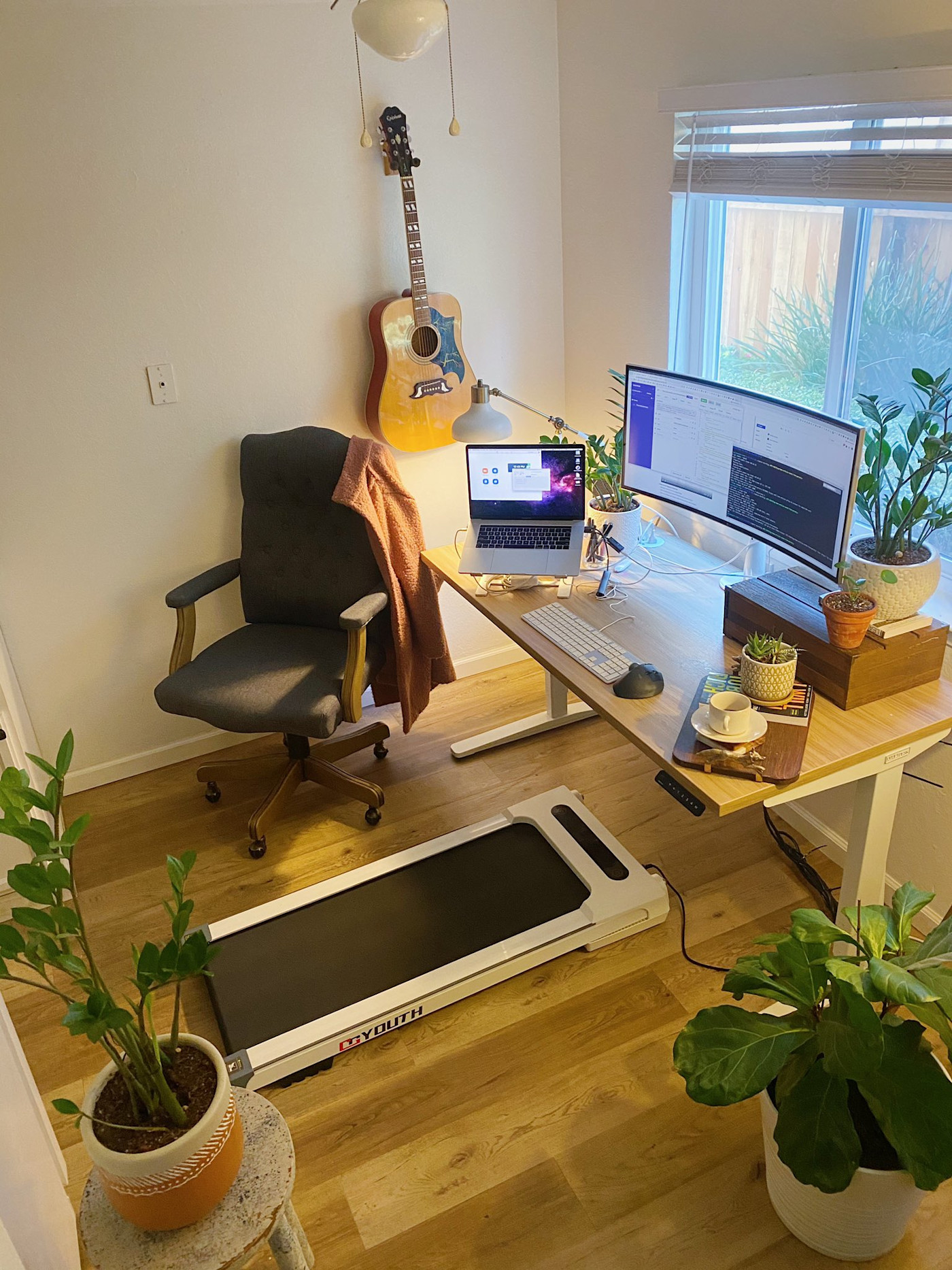
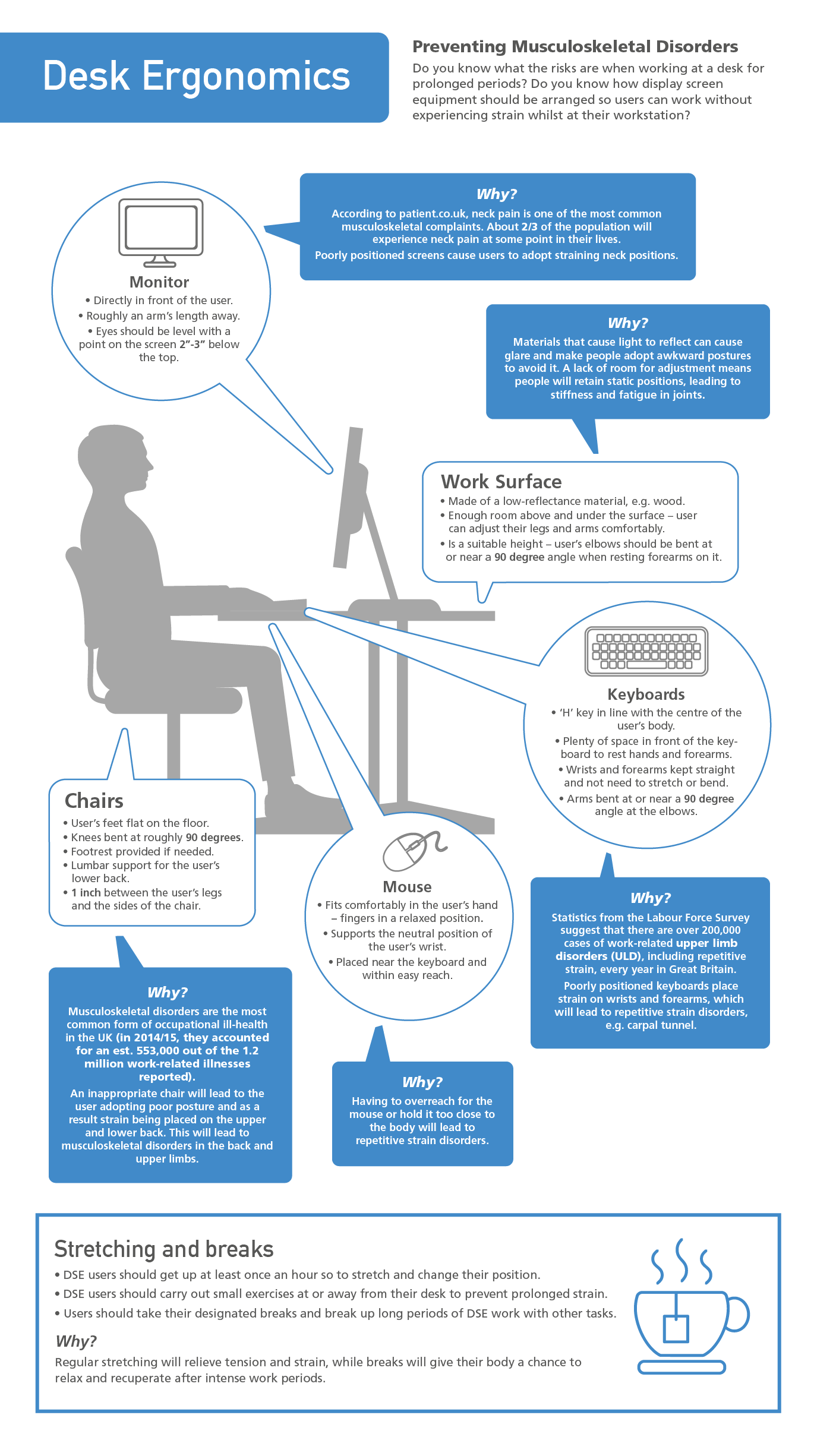
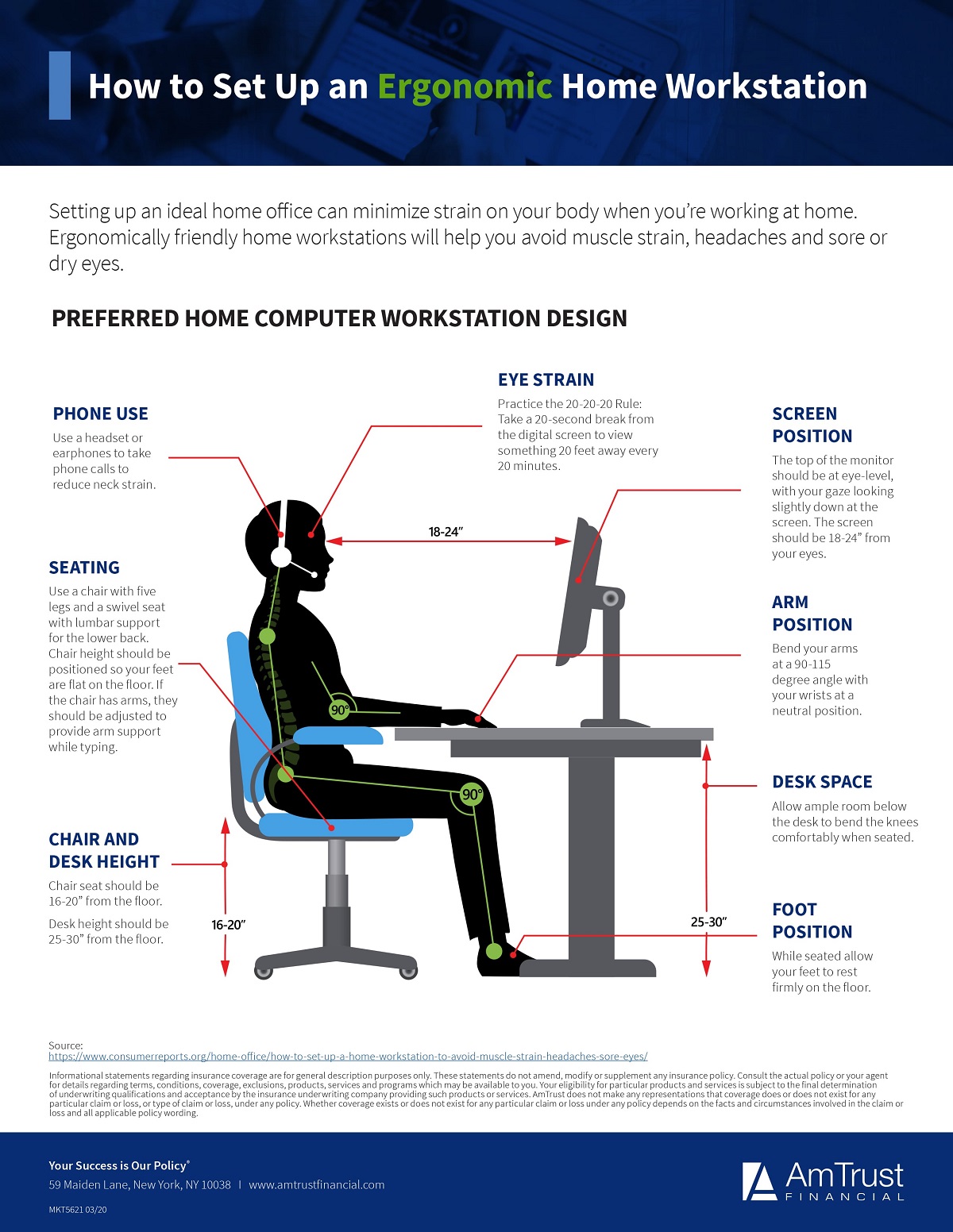
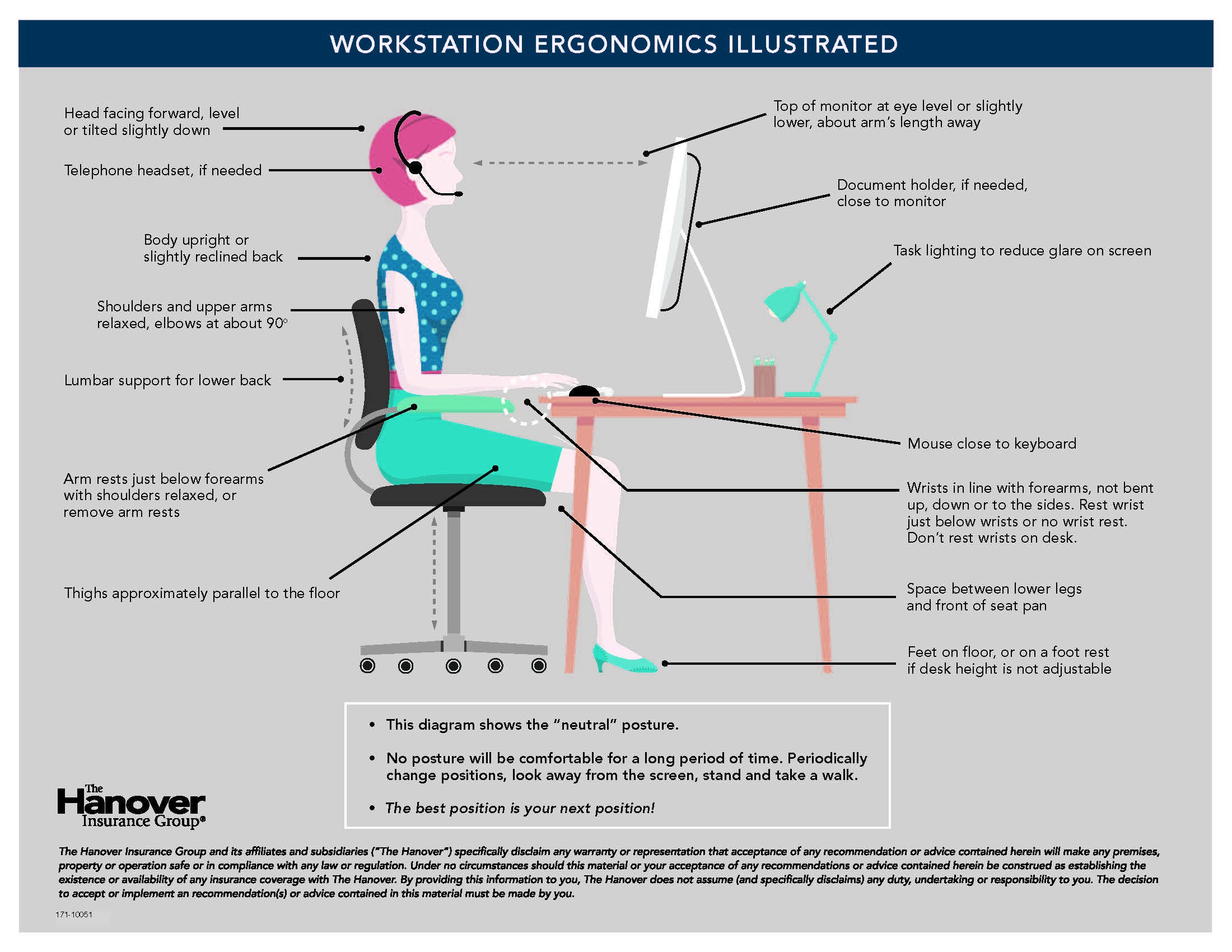
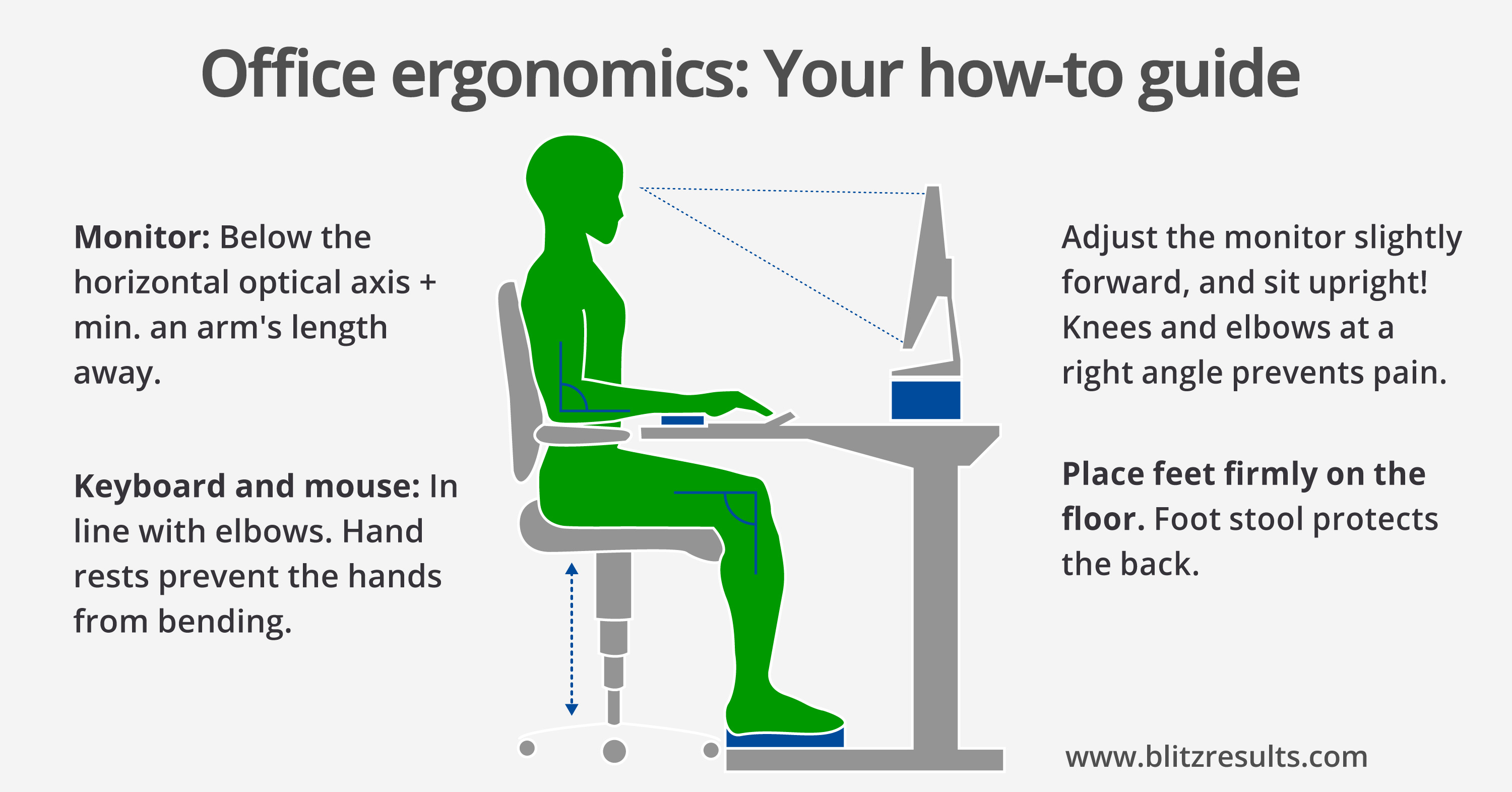
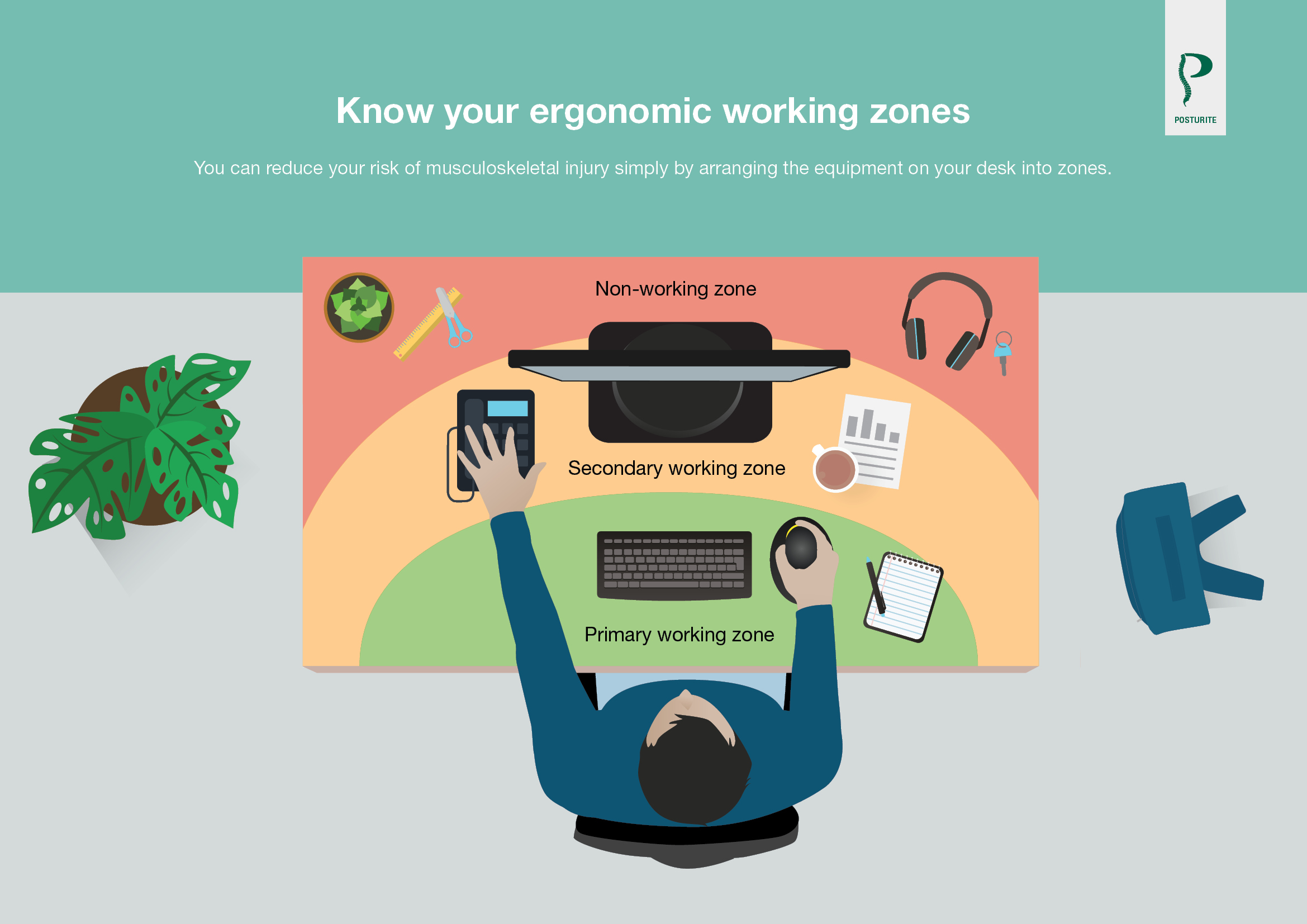
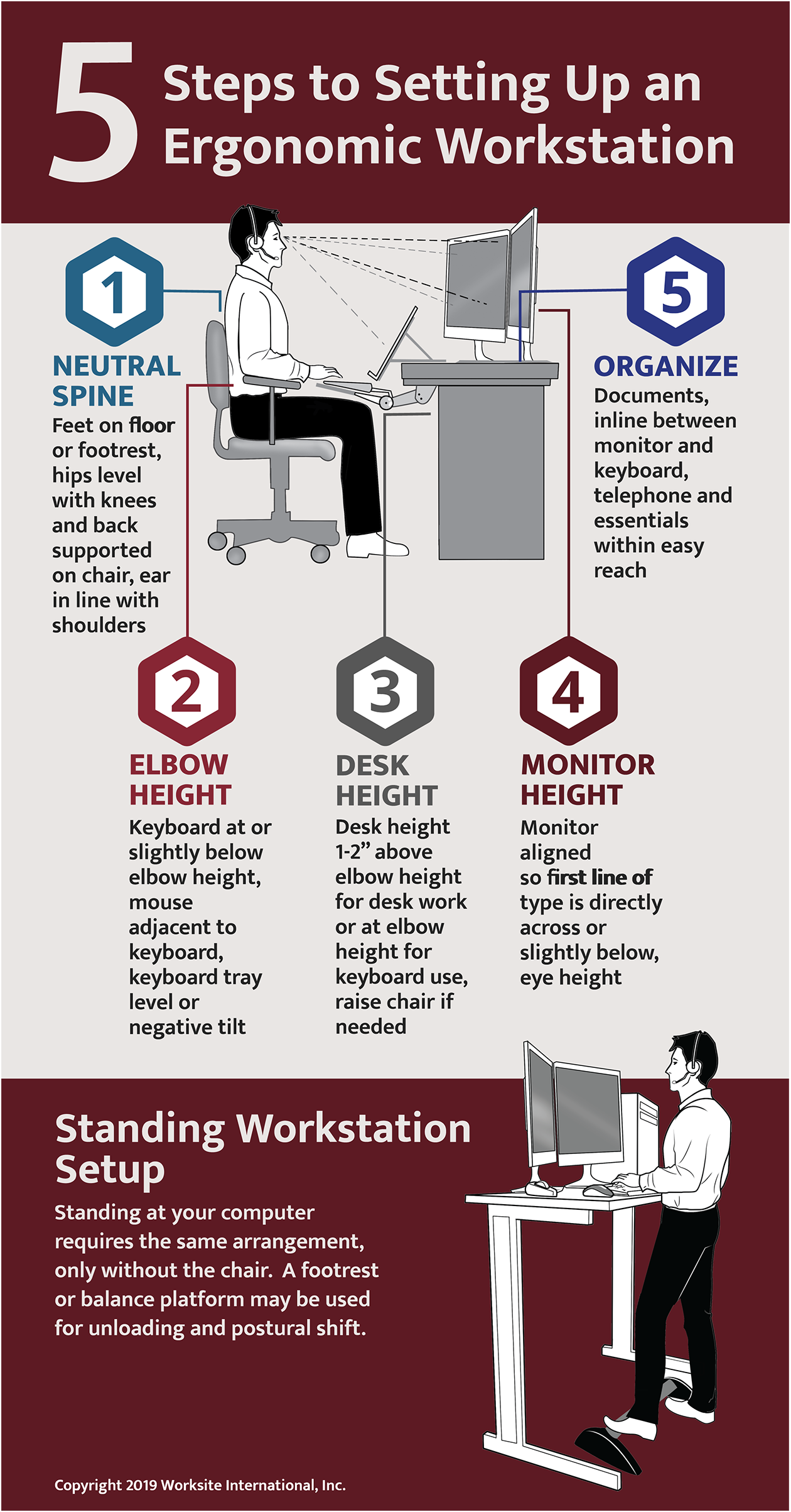
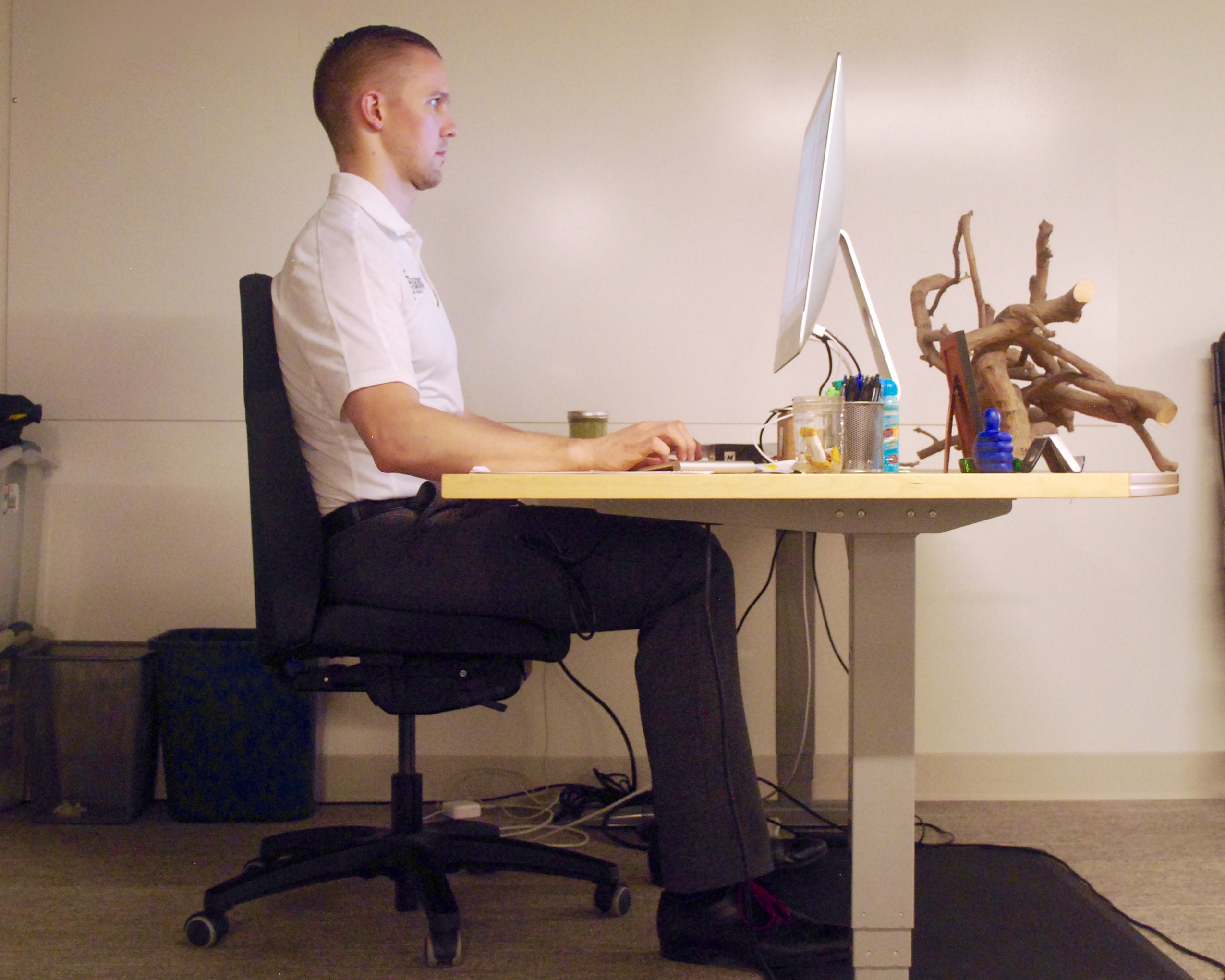
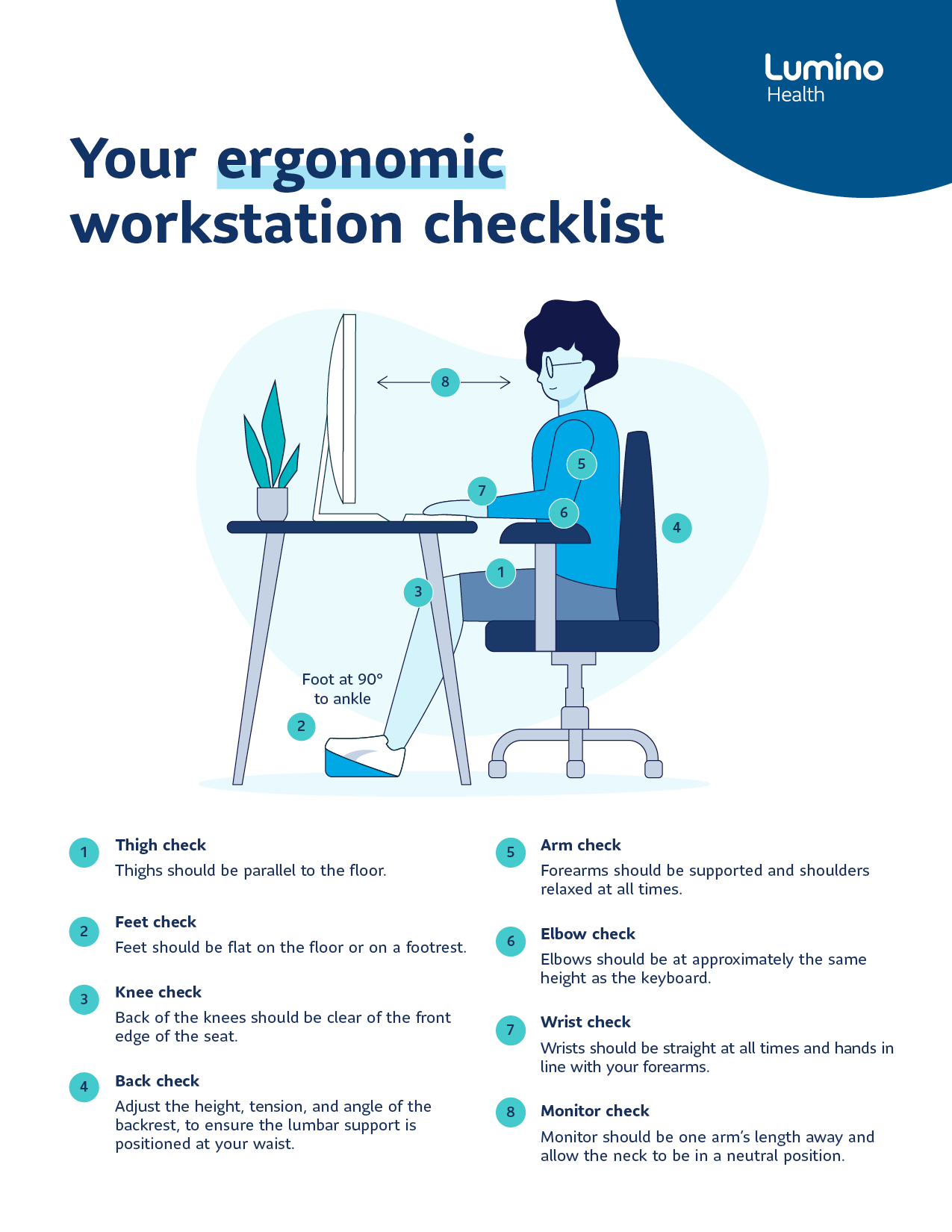
To establish a maximum working efficiency, start by investing in an ergonomic chair with adjustable height, lumbar support, and breathable fabric. Ensure that your monitor is positioned directly in front of you, at a distance of about 20-25 inches, and at a height that allows you to gaze slightly downward. Positioning your keyboard and mouse close to your body, with your wrists straight and your shoulders relaxed, will also contribute to a comfortable typing position. Placing a footrest or a floor mat under your feet can further alleviate pressure on your lower back and legs.
Effective lighting is also essential for an ergonomic office setup. Boost Office Comfort With An Ergonomic Desk Design Task lighting, such as a desk lamp, should be positioned to minimize glare on your screen, while natural light can be supplemented with sheer curtains or blinds. Consider using noise-cancelling headphones or playing calming music to create an atmosphere conducive to concentration. By implementing these simple yet significant changes, you can dramatically improve your working efficiency and overall well-being.
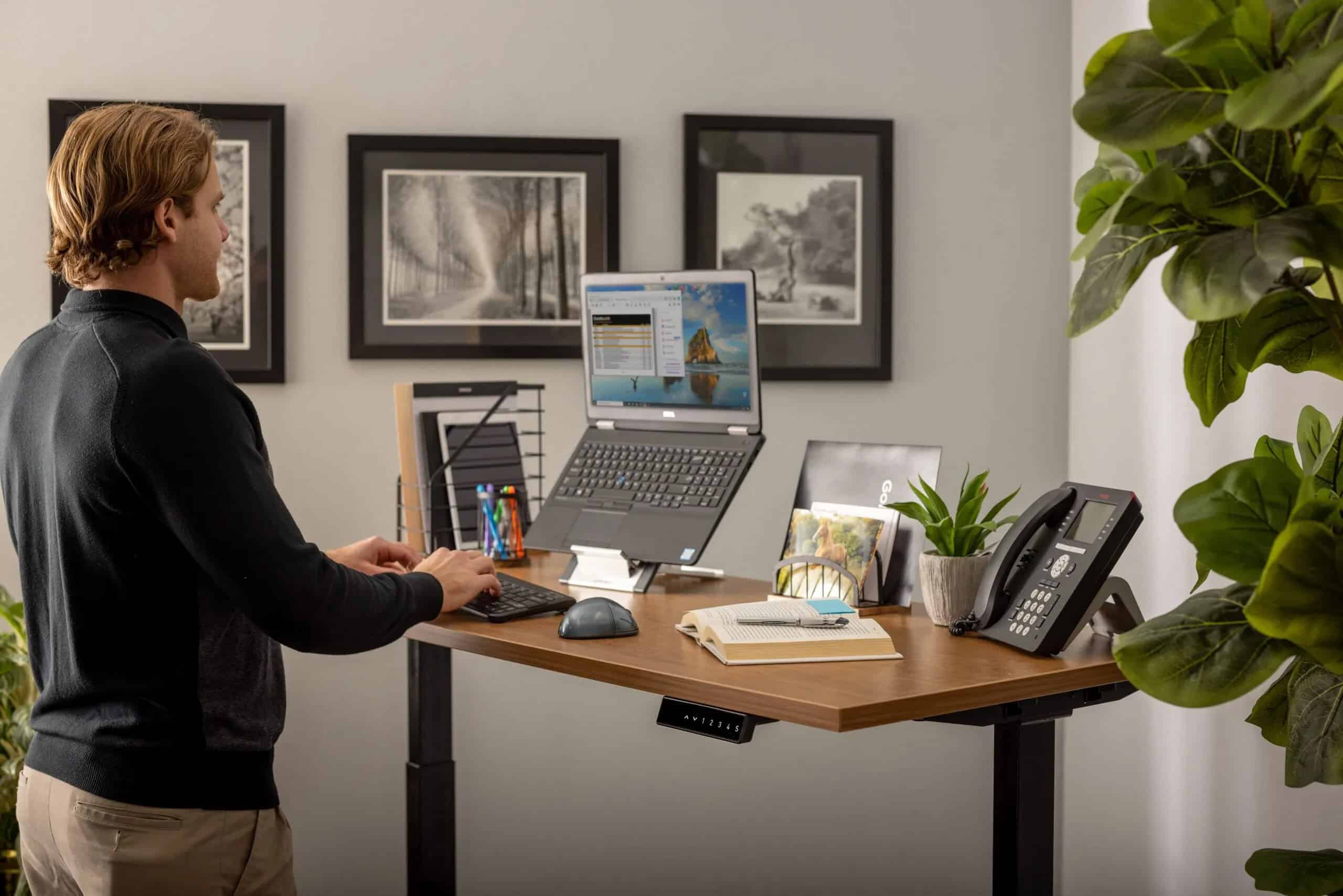
A thoughtfully designed office space can be a game-changer for work performance. By tailoring your workspace to meet your unique needs, you can tap into your full potential, avoid distractions, and cultivate a more productive work environment that supports your physical and mental health. 5 Essential Elements Of An Ergonomic Workspace